

Create Art Deco Table Place Card
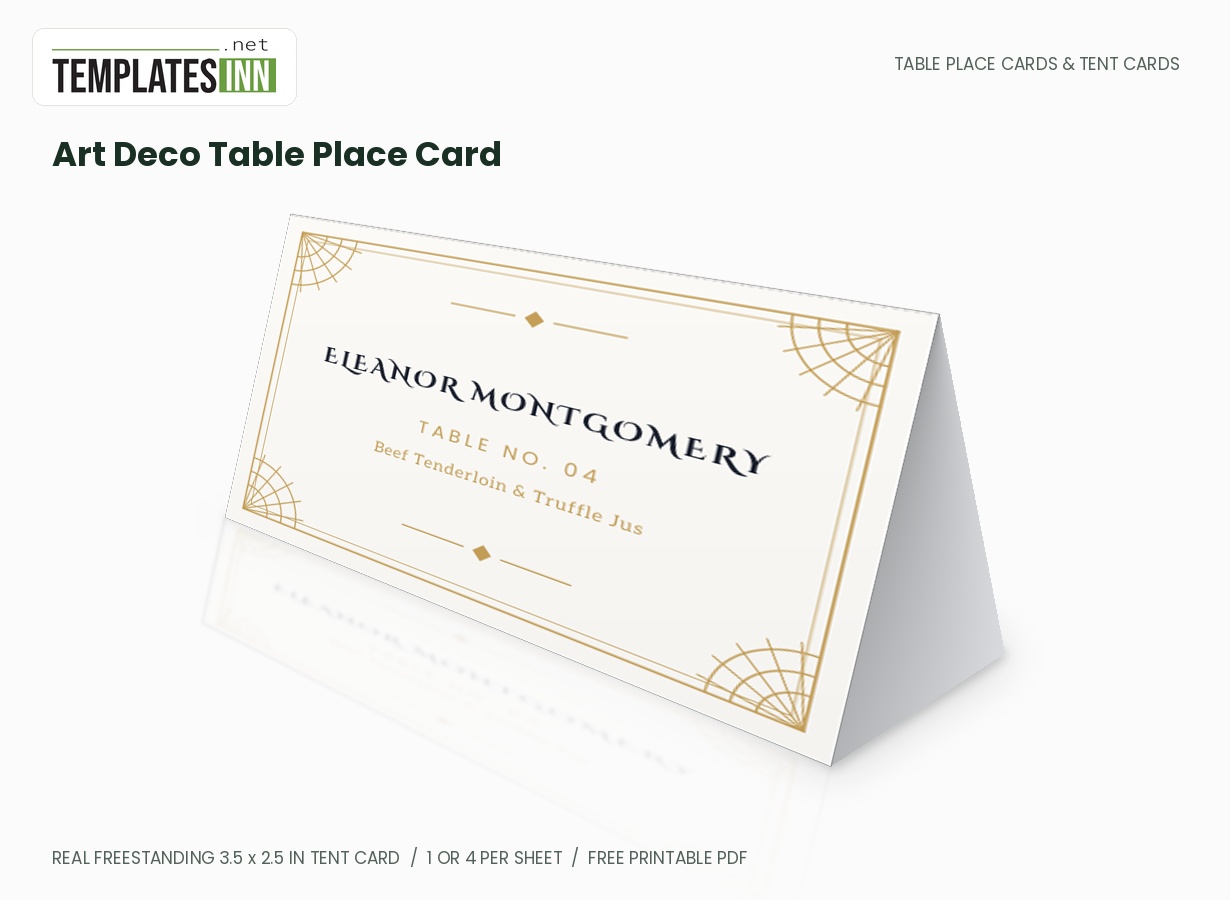
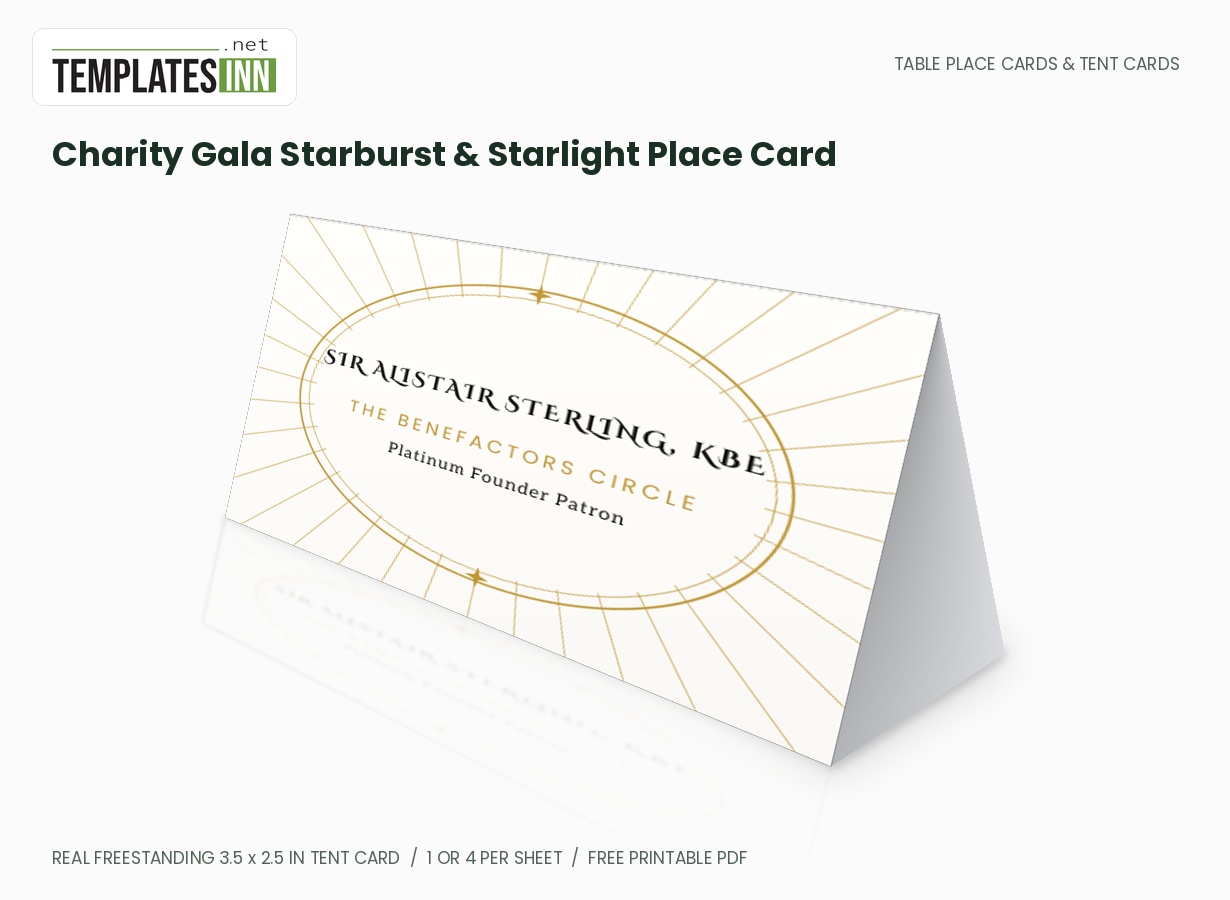
Evoke the opulent glamour of the 1920s with this Art Deco folded place card. Intricate geometric sunburst fans frame each corner, while a gilded diamond seal accents the center fold. The crisp double-ruled perimeter brings architectural balance and vintage grandeur to formal banquet seating.
Tailored for black-tie galas, Great Gatsby themed weddings, New Year’s Eve charity balls, and milestone anniversary dinners, this tent card combines metallic elegance with crystal-clear legibility. With an unfolded dimension of 3.5 × 5 inches, each card scores and folds cleanly down the middle to create a freestanding 3.5 × 2.5 inch tent card that commands attention at every place setting.
Personalise individual guest names and table assignments online, or paste your entire guest list into the bulk generator to produce up to 48 cards simultaneously on US Letter or A4 cardstock with precision cutting marks. Completely free to download as a high-resolution, print-ready PDF without watermarks or registrations.
Fill in the information below
New here? Use the button above to fill in an example, then change it to your own details.
Rate this template
Used it? Tap a star. Honest ratings help others choose.
You May Also Like
Templates from other categories that people often use together with this one.
Other Similar Templates
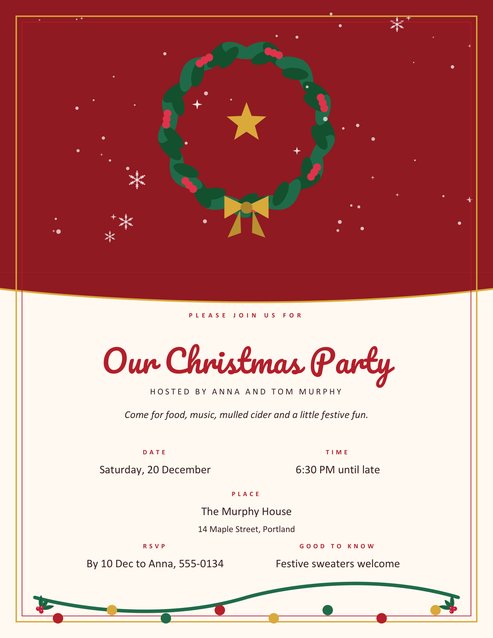
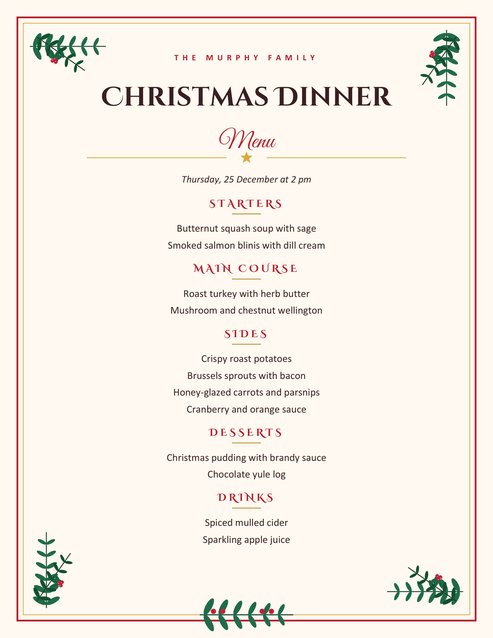
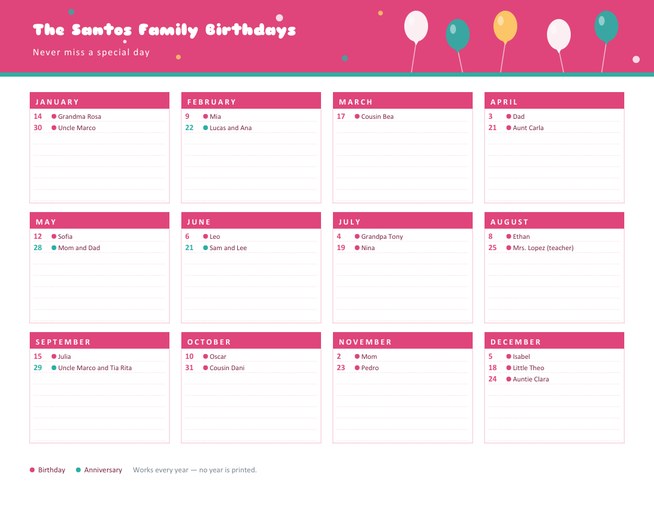
More designs from the same collection, Create Table Place Card Online. If this one is not quite what you need, one of these may be.
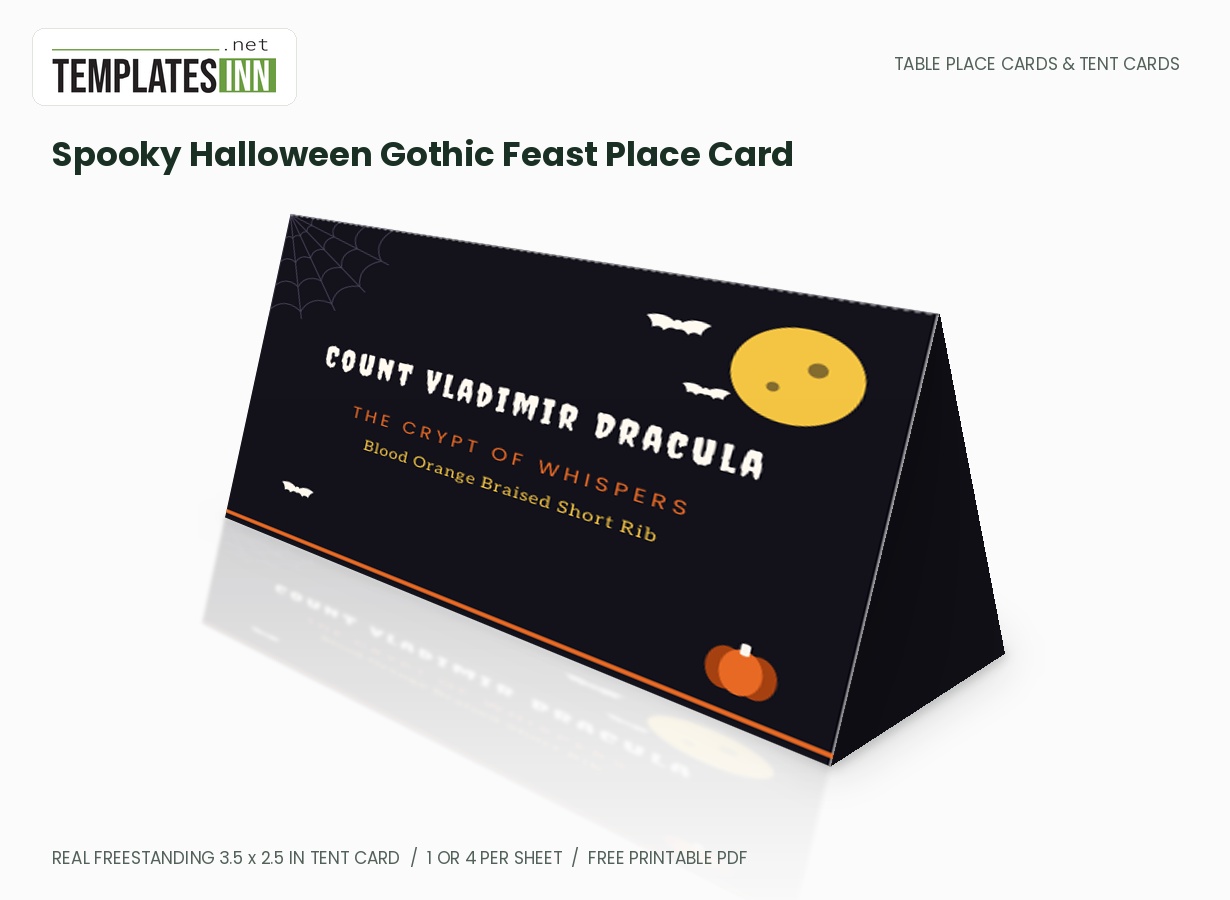
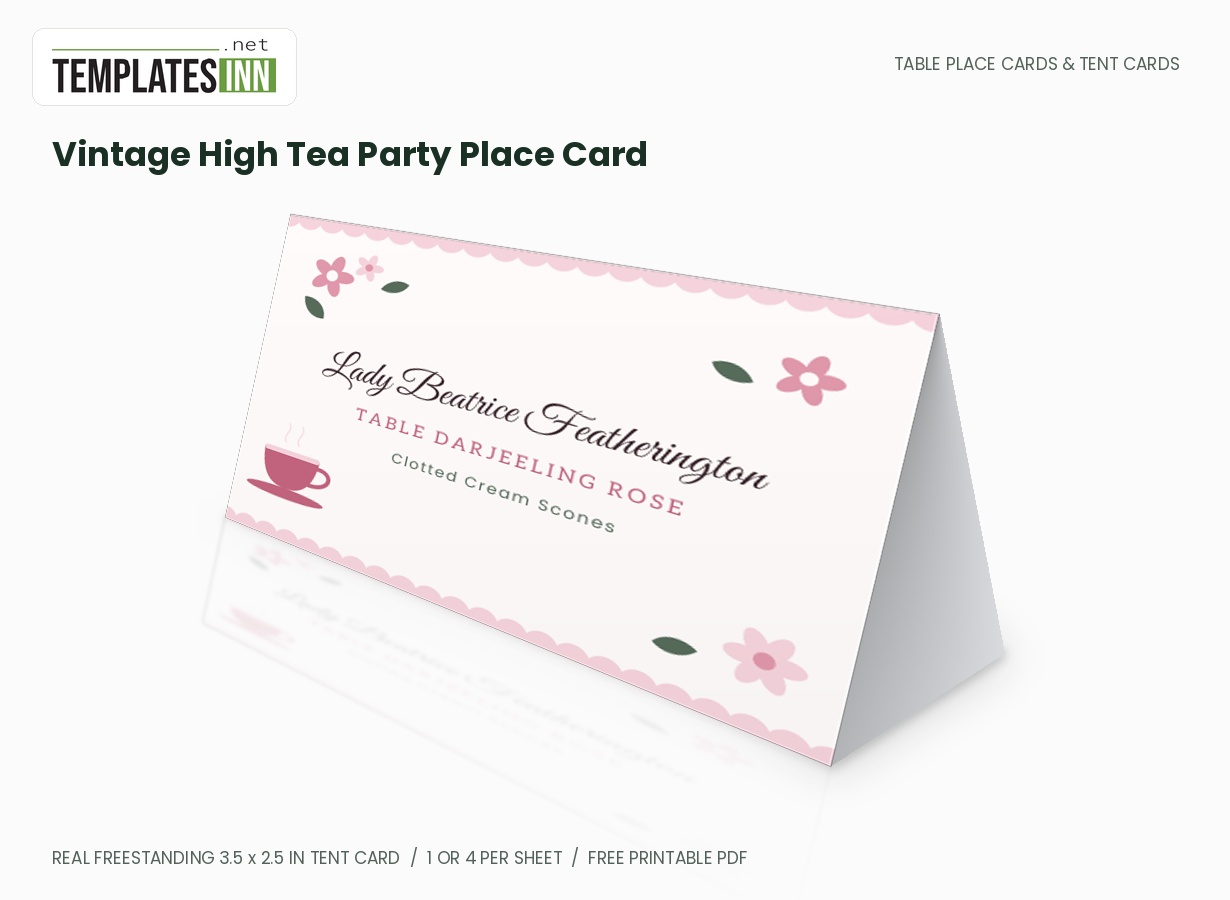
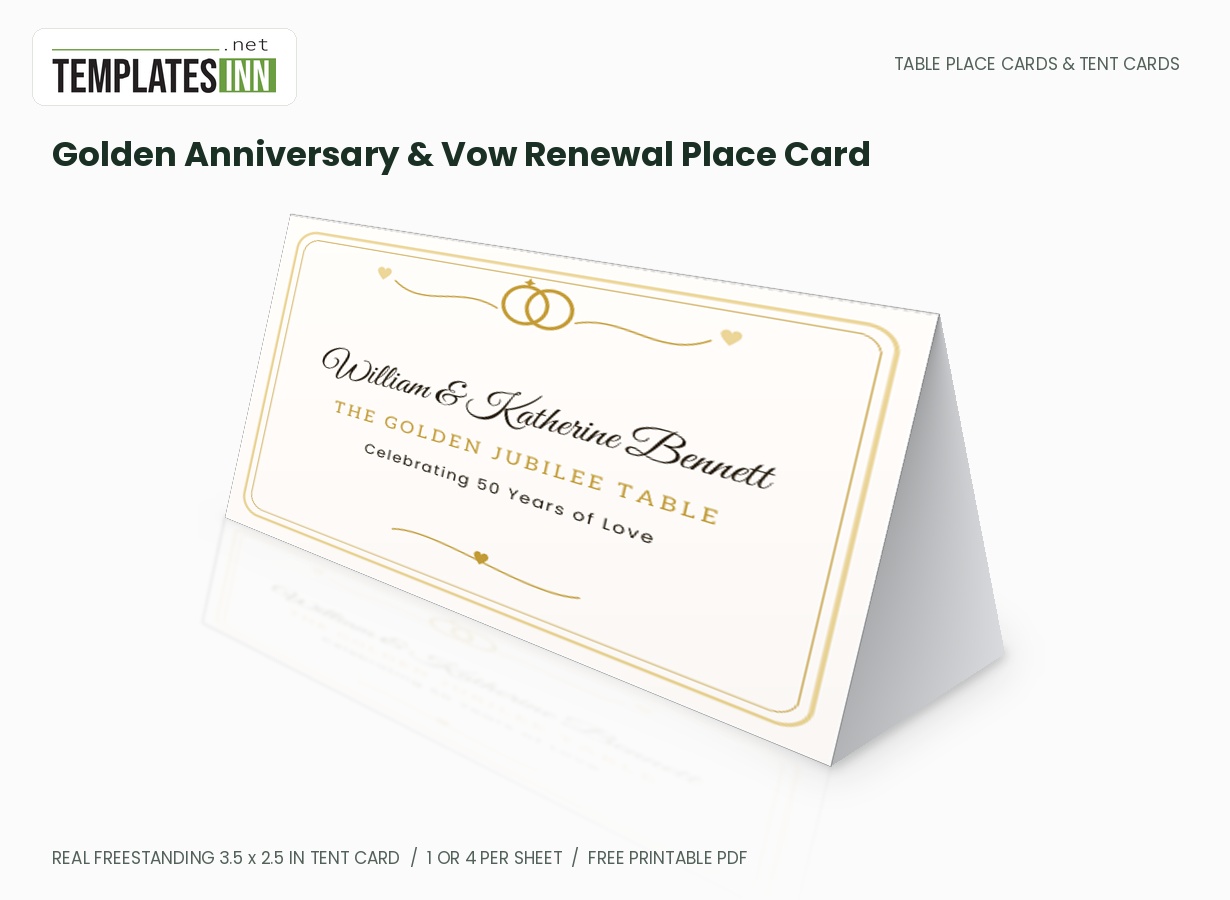
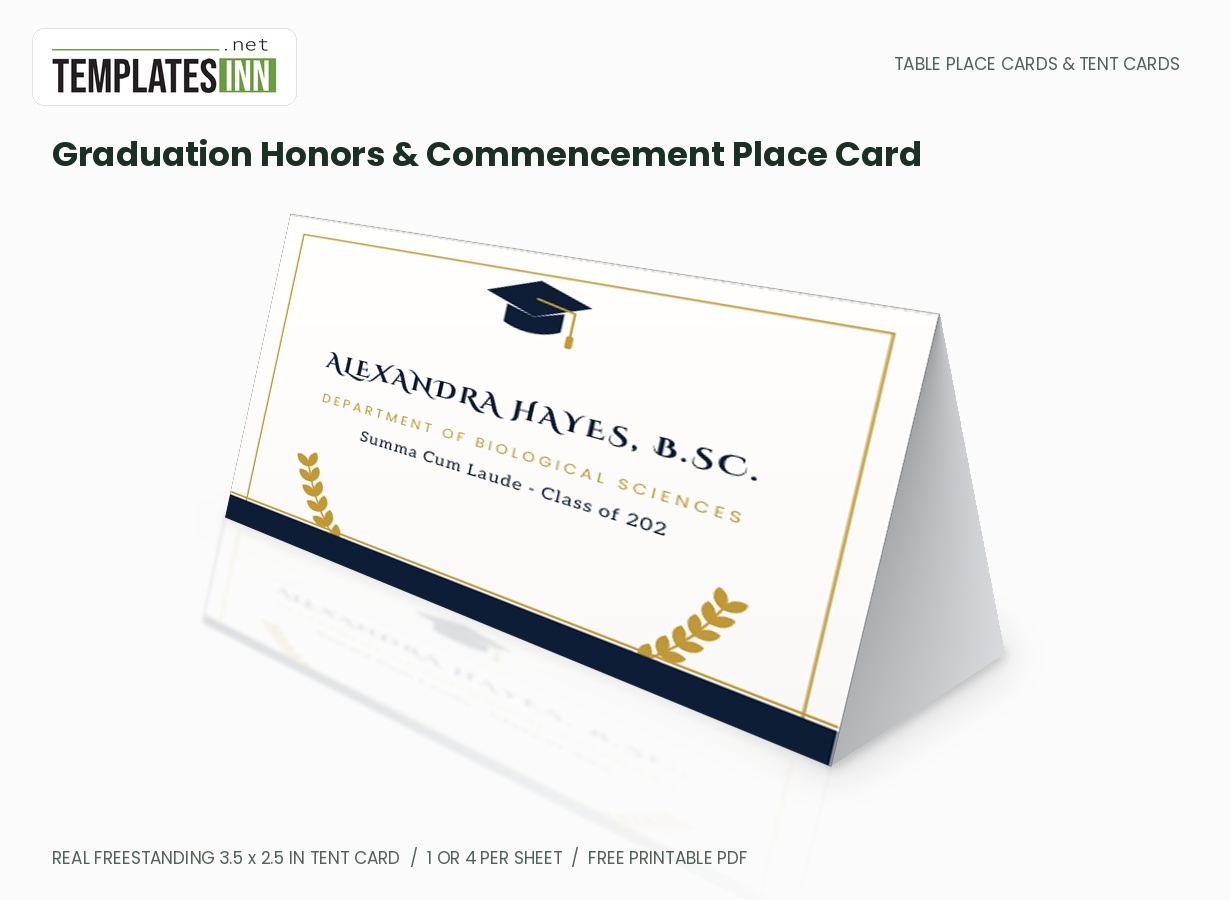
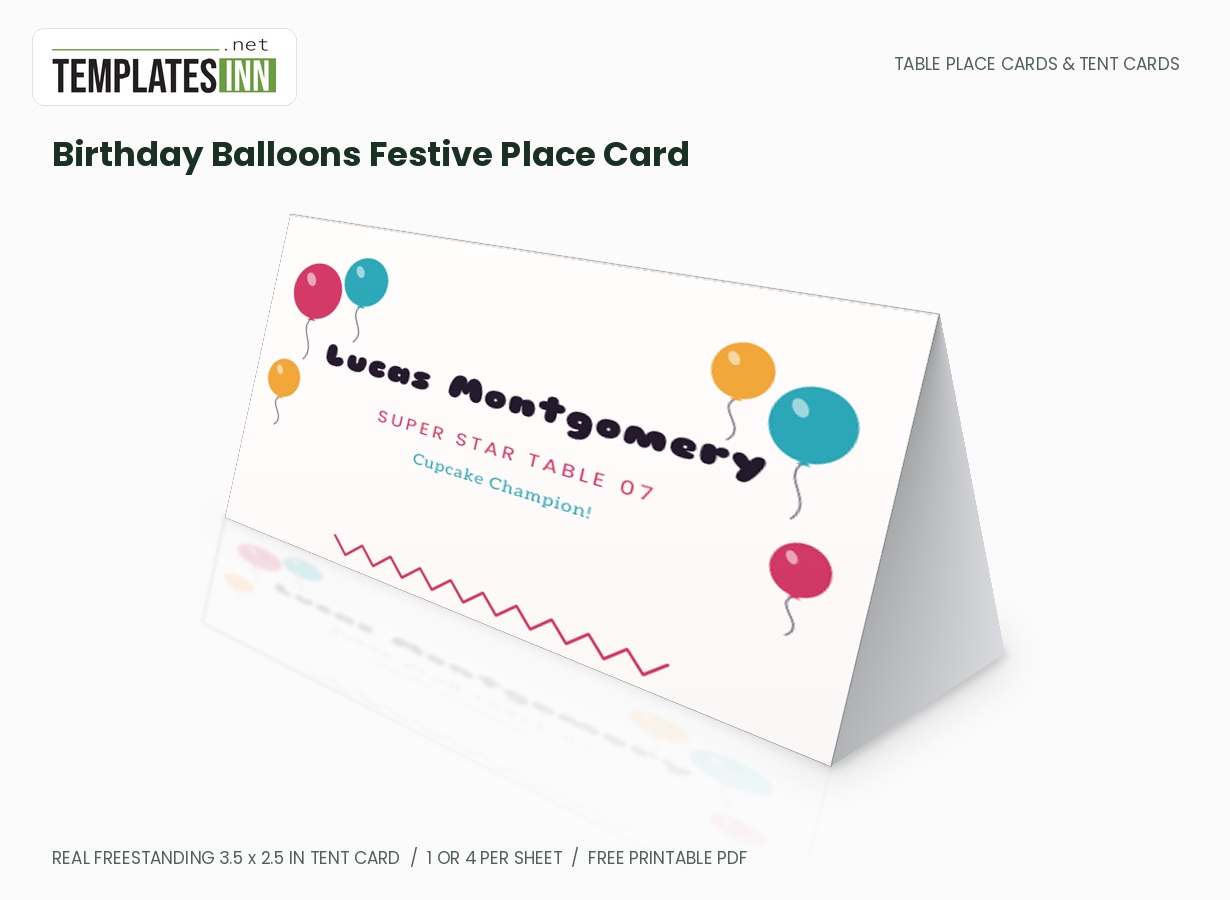
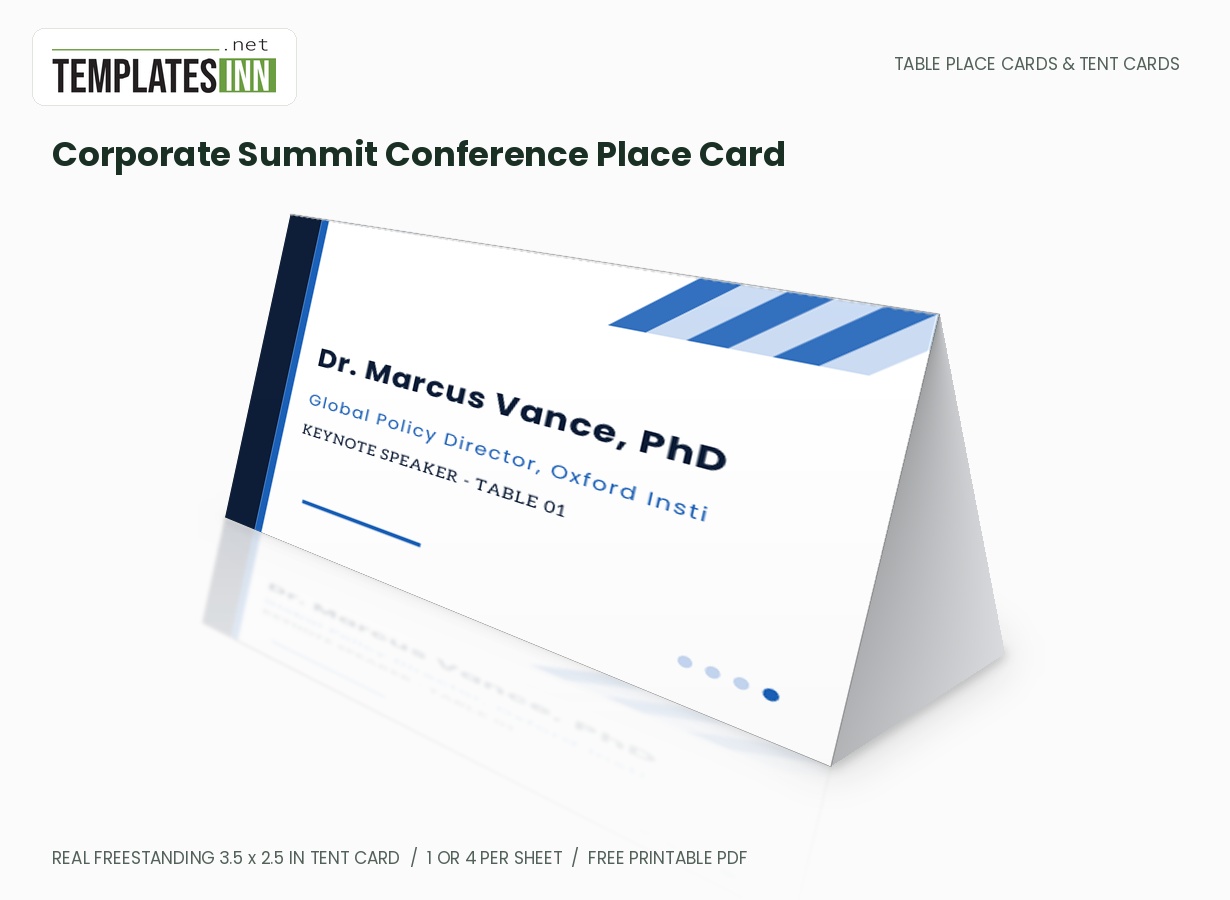
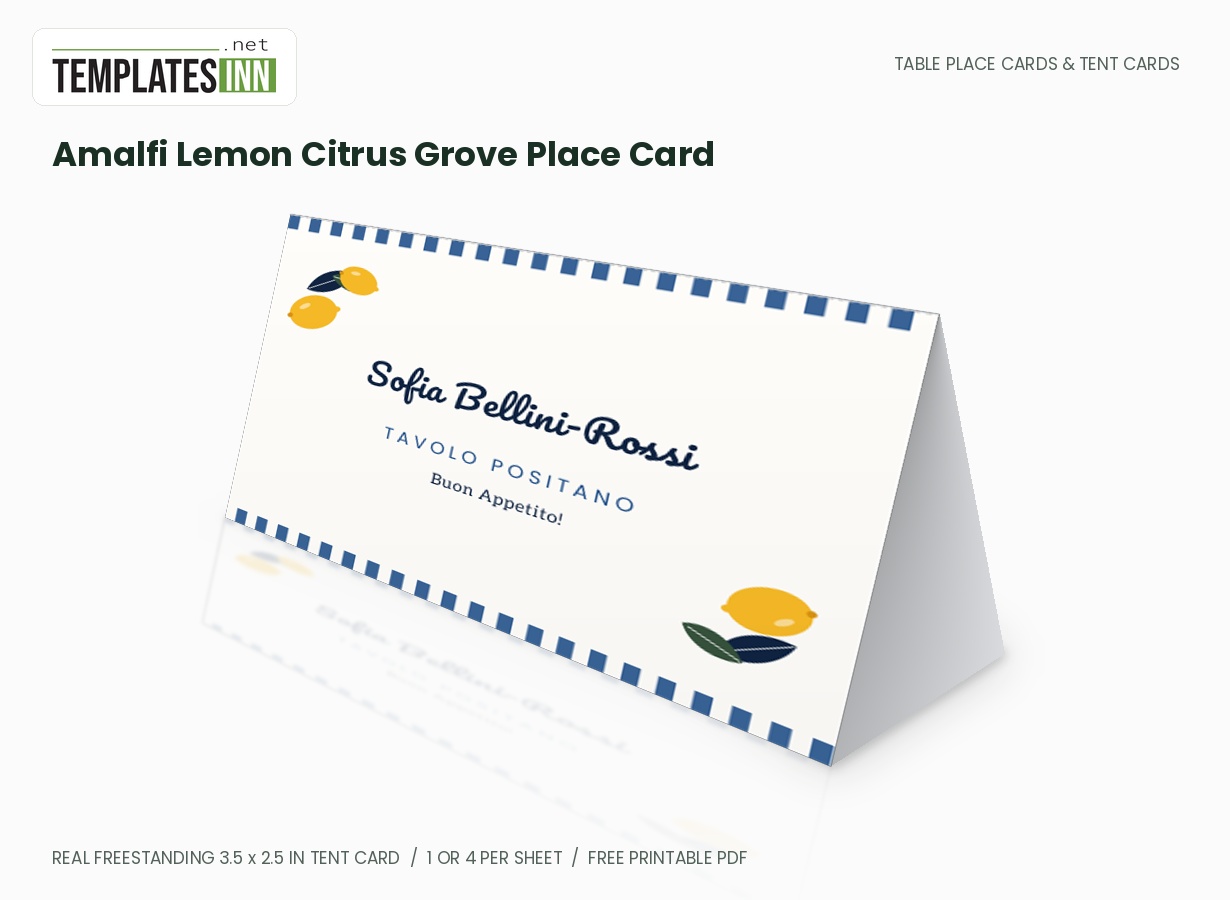
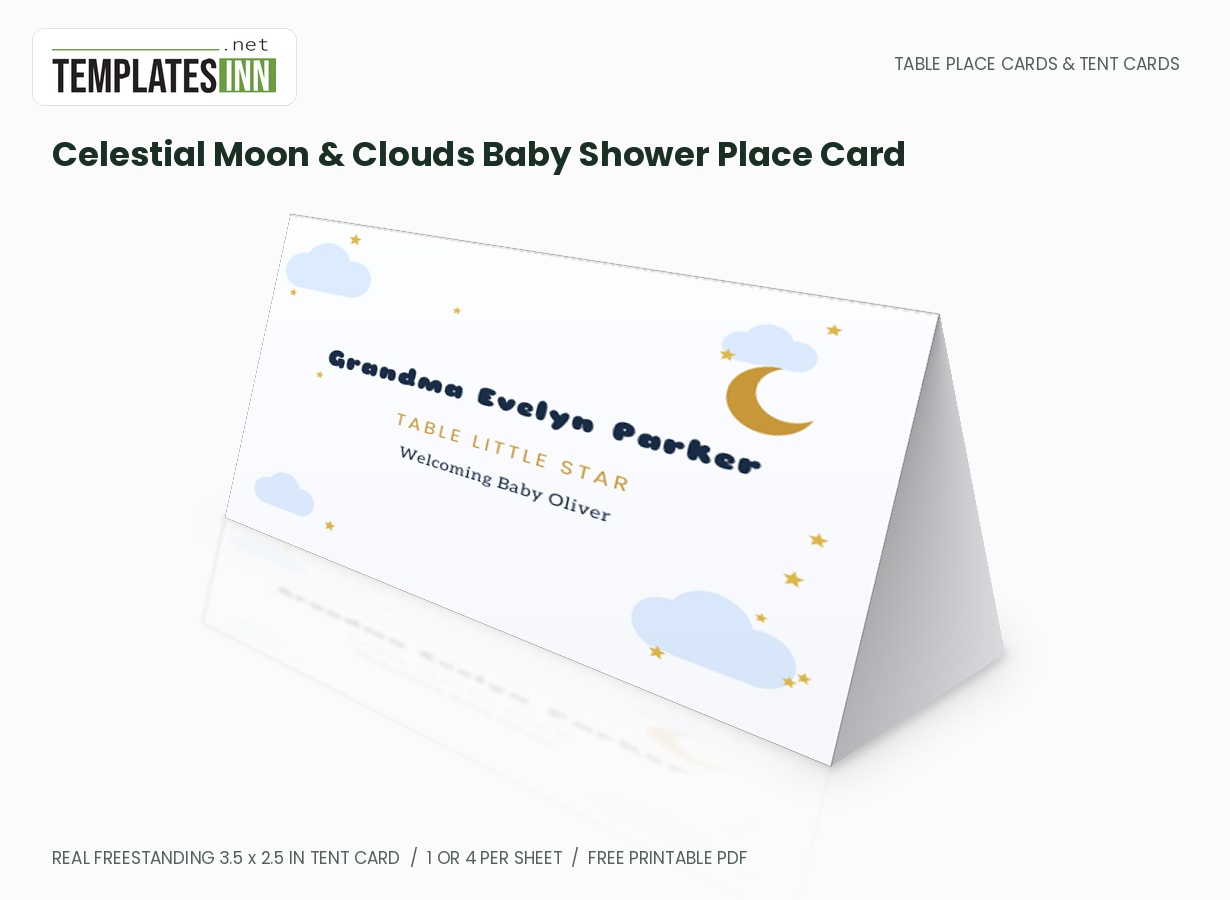
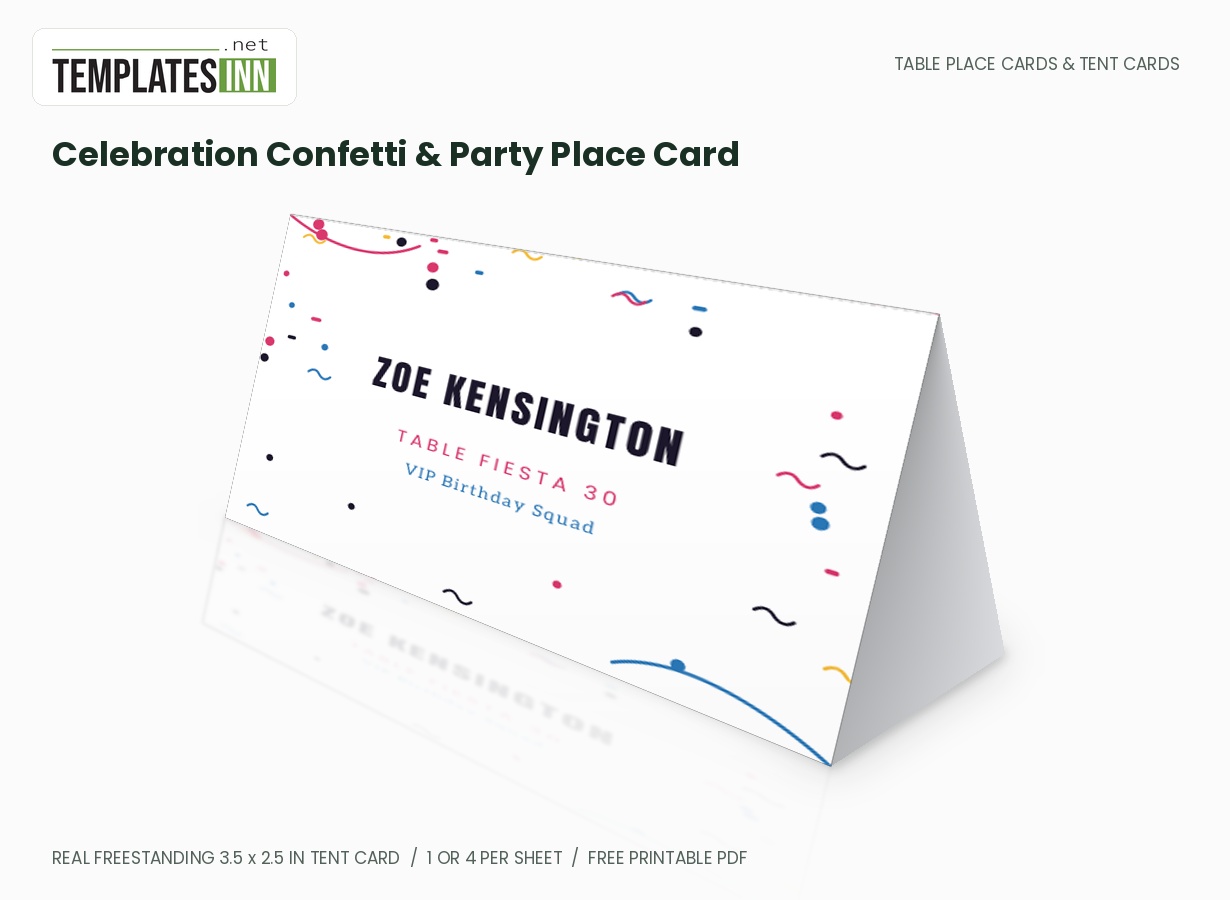
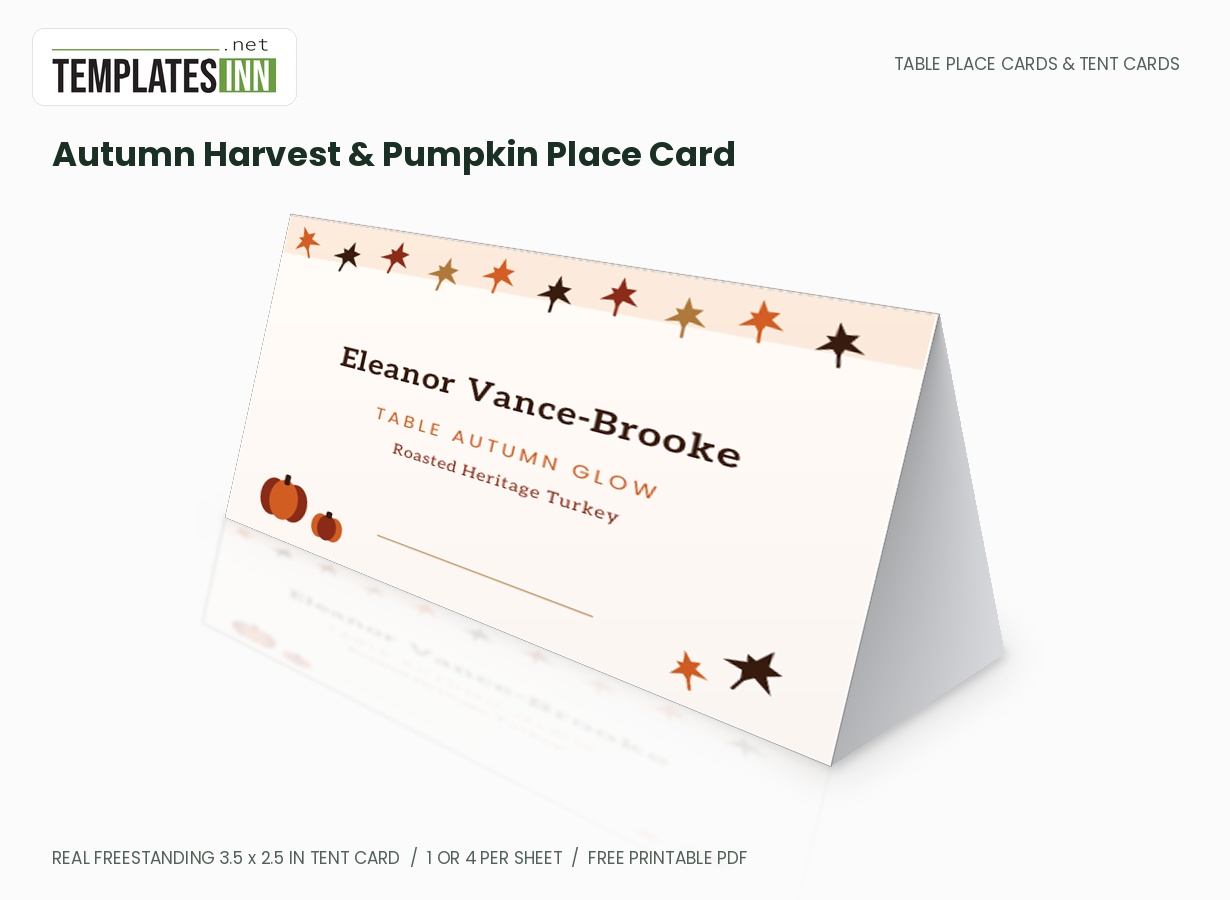
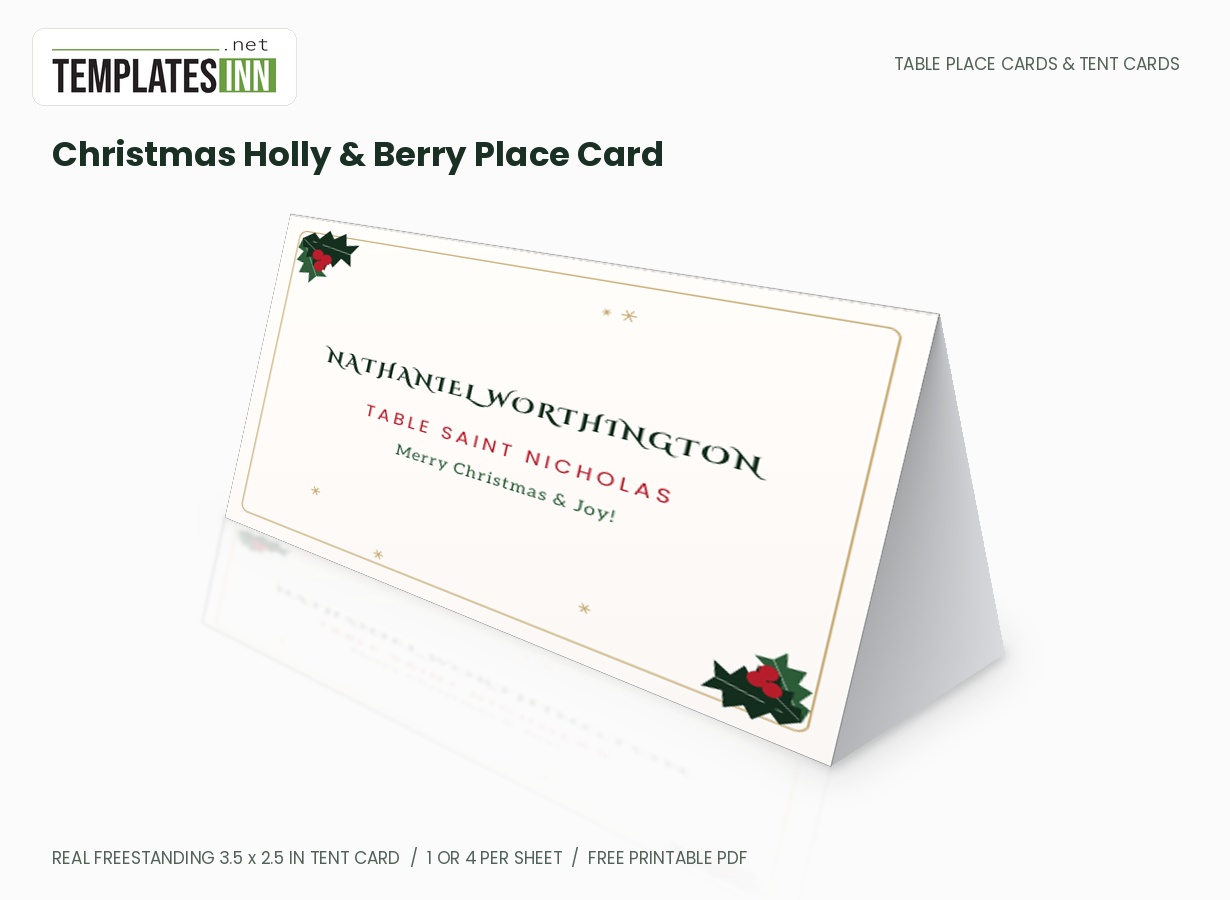
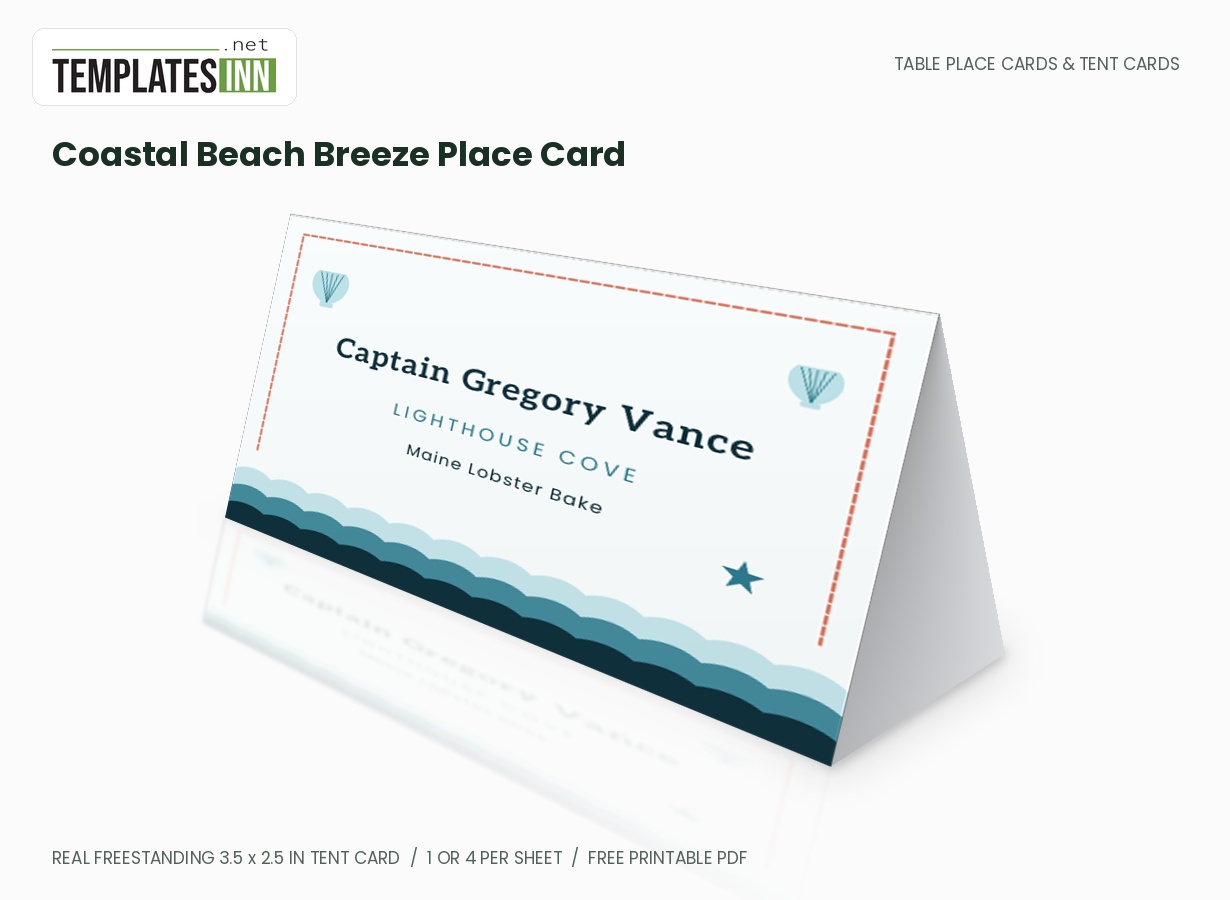
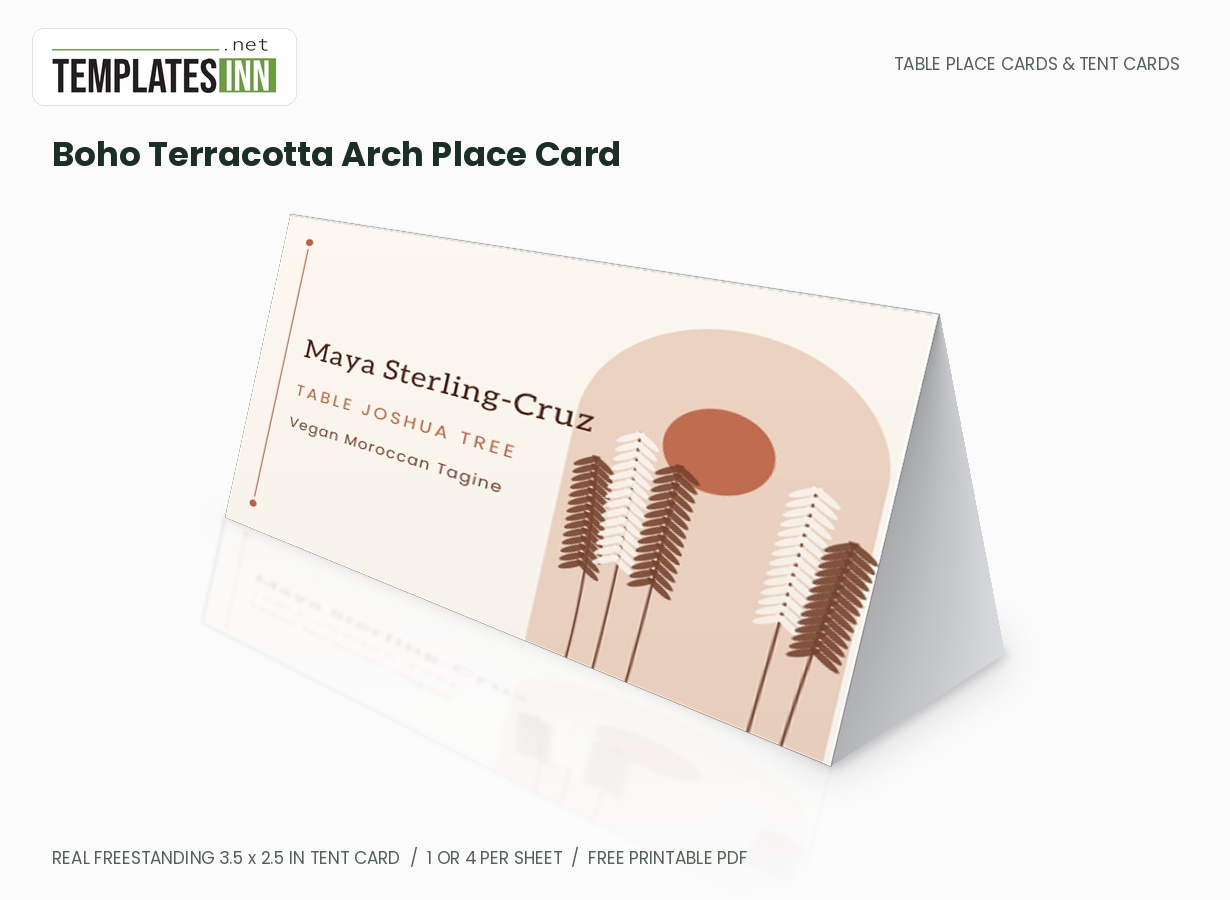
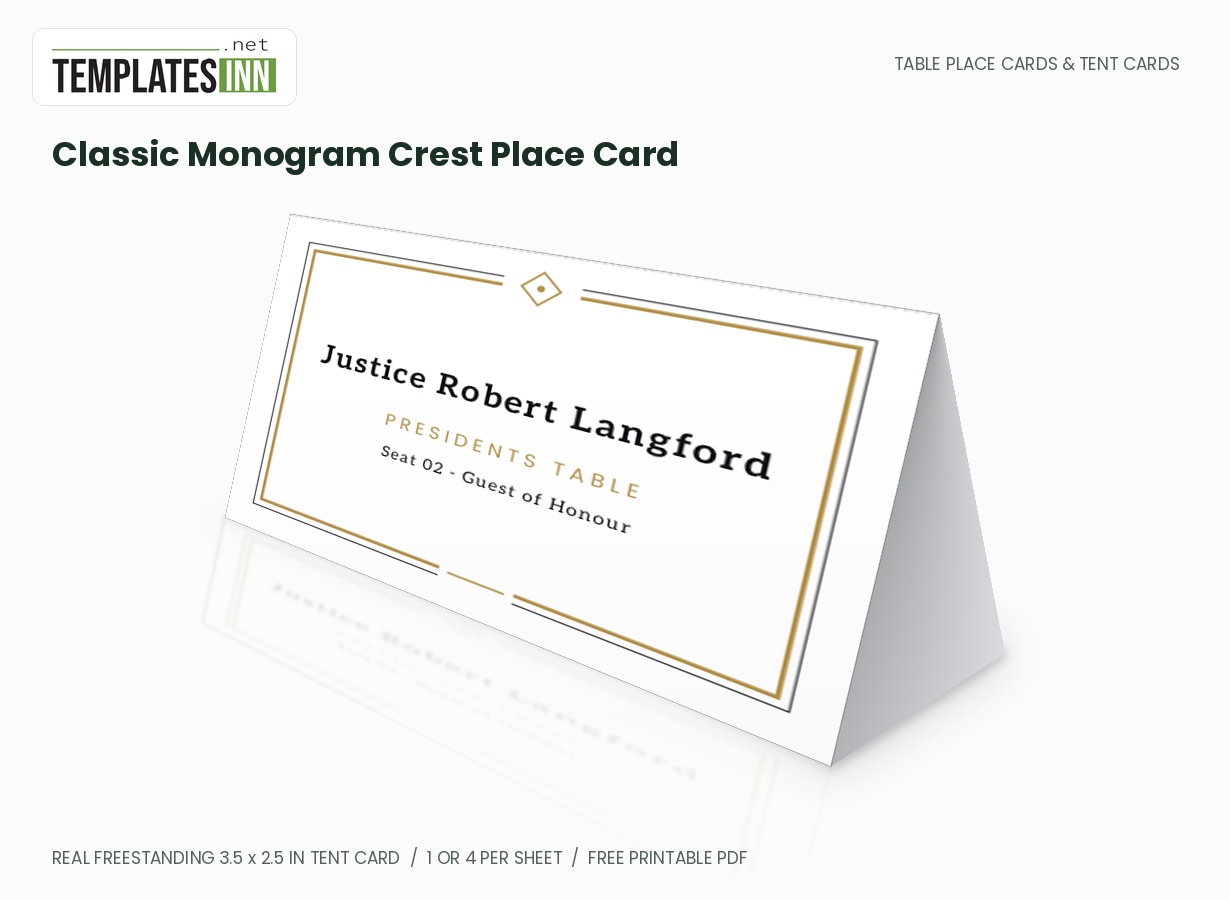
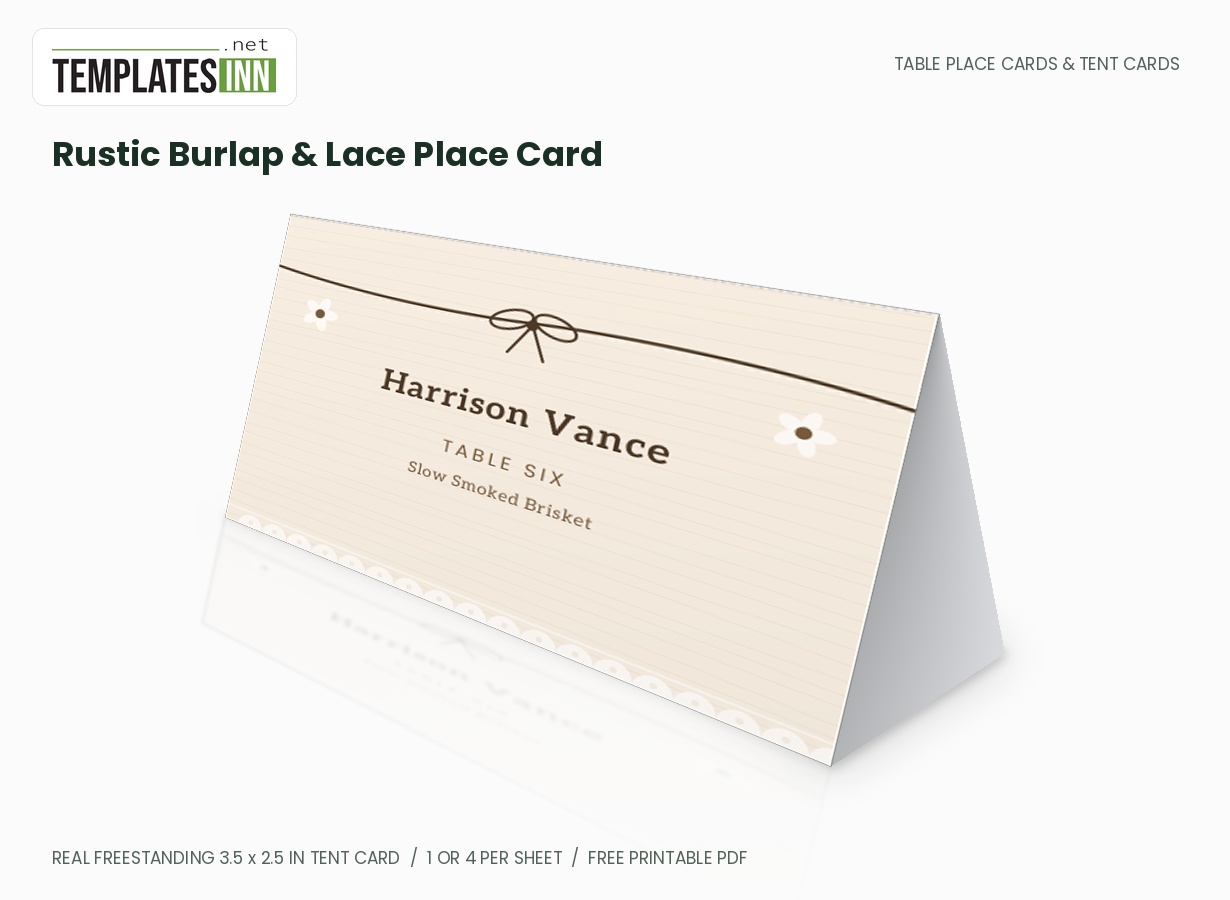
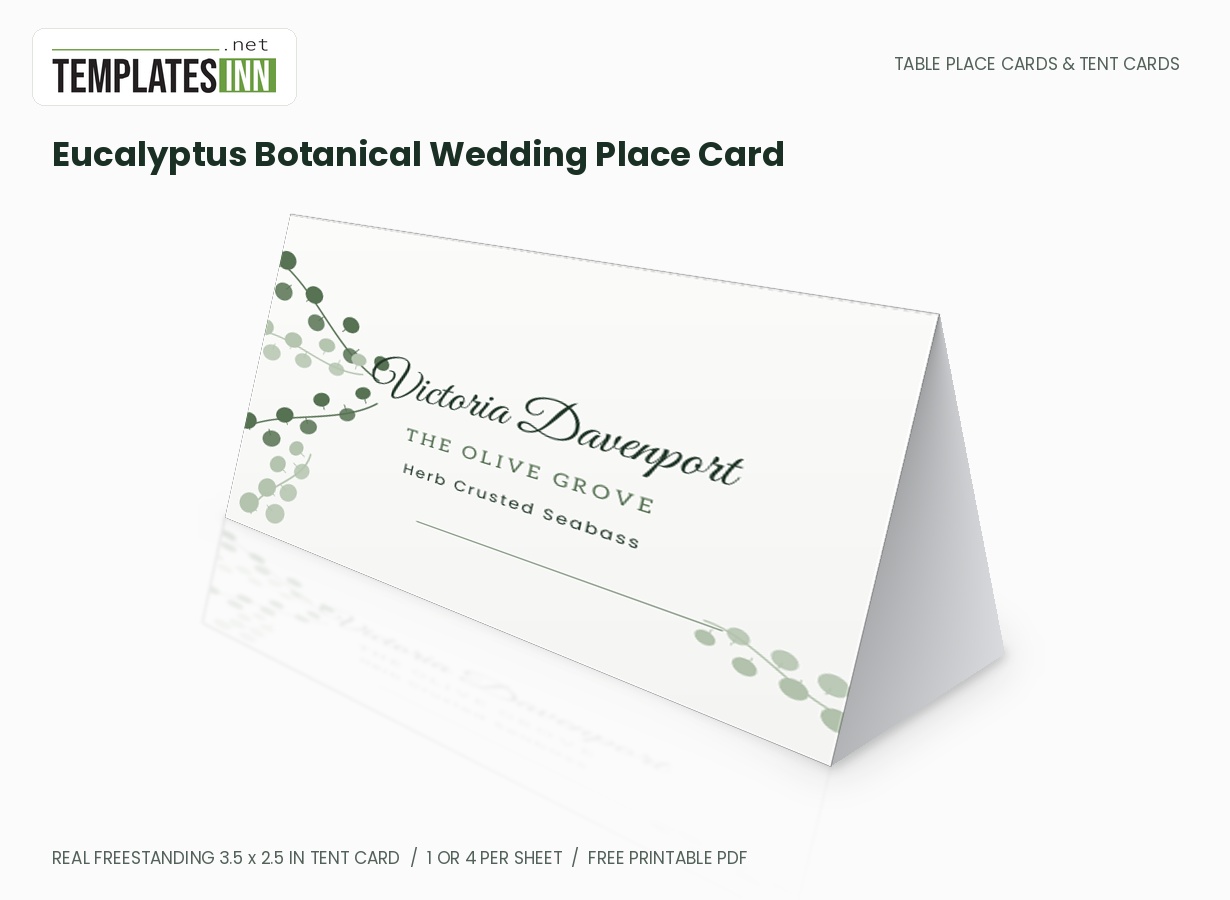
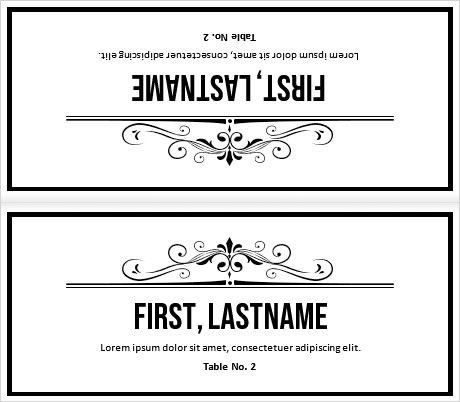


Roaring Twenties geometry and luxurious table styling
The hallmark of Art Deco design lies in confident symmetry, stepped geometric ornamentation, and radiating sunbursts inspired by 1920s Parisian ballrooms and classic skyscraper spires. Display these tent cards against rich velvet or satin tablecloths in midnight black, forest emerald, or deep royal plum. Polished brass or gold flatware, vintage cut-crystal coupe glasses, and tall fluted taper candles complete the authentic speakeasy aesthetic.
For high-impact tablescapes, nestle each place card directly above the dessert spoon or rest it upon an intricately folded black damask dinner napkin. Consider scattering subtle art deco accents across the banquet table, such as gilded geometric menu cards, antique brass table number stands, and low arrangements of white calla lilies and ostrich feathers in fluted glass vases.
Formal seating etiquette and dinner titles
For high-society banquets and formal evening balls, traditional protocol recommends using complete professional honorifics, military titles, and surnames. Enter names such as “Dr. Alistair Sterling”, “Ambassador Marcus Vance”, or “Lady Margaret Montgomery” on the primary line. When seating married couples together, conventions allow “Mr. & Mrs. Harrison Vance” or individual cards for each partner.
Use the secondary field for table designations such as “Table No. 04” or named dining salons like “The Gatsby Ballroom”. The optional third line conveniently displays entree selections or dietary reminders like “Filet Mignon & Truffle Jus” or “Vegetarian Risotto”. This provides banquet servers with discrete cues, ensuring seamless multi-course service without interrupting speeches or champagne toasts.
Paper selection, basis weight, and mechanical scoring
Metallic pearl cardstock or heavyweight warm ivory linen paper (250 to 300 gsm) delivers an authentic vintage feel. The subtle metallic shimmer captures ambient ballroom chandelier lighting, mirroring the gilded gold artwork.
Because heavy card fibres can split or crack when bent by hand, mechanical scoring is essential for a professional finish. Position a straight metal ruler along the central printed dashed fold line. Run the rounded tip of an empty ballpoint pen, bone folder, or the dull back edge of a butter knife firmly along the ruler to crease the internal paper fibers. Fold gently away from the score to establish a razor-sharp, freestanding ridge that stands unyielding throughout evening toasts.
Double-sided tent panels and banquet room logistics
In large ballrooms where guests and banquet servers navigate between dozens of crowded tables, legibility from multiple vantage points is crucial. By selecting “Both sides of the tent” in the editor, our layout engine automatically prints the guest name upright on the front panel and an inverted duplicate on the reverse panel.
This dual-panel orientation allows waitstaff approaching from behind the chair to quickly identify seat assignments, while guests seated across the round banquet table can read names effortlessly across centerpieces. If you prefer to place cards in slotted brass stands, select “Front panel only” to leave the rear panel clean.
Banquet place setting geometry: charger plates and bread plates
In a traditional Great Gatsby or black-tie gala setting, table space is carefully calibrated among silver chargers, multiple wine goblets, and bread plates. Place the folded tent card centered directly above the dessert spoon and fork, positioned approximately one inch north of the main charger plate. This orientation keeps the guest’s name immediately visible without interfering with the movement of soup spoons or fish knives during multi-course service.
If your banquet tables feature towering feather or crystal centerpieces, keeping place cards angled slightly inward toward the chair ensures attendees can confirm their seats before sitting down, preventing crowding in narrow ballroom aisles during the seating call.
Precision rotary cutting and bone folder scoring
When preparing sheets of four cards on US Letter or A4 cardstock, cutting order determines the sharpness of your final cards. Lay the printed sheet on a self-healing cutting mat. Use a sharp utility knife or rotary trimmer guided by a stainless steel ruler to slice the long vertical cut marks first, followed by the outer horizontal borders.
Do not cut the center dashed lines; score them using a dedicated bone folder or the smooth back of an embossing stylus. A properly scored 280 gsm metallic pearl card creates an internal paper hinge that opens smoothly to a 60-degree angle, providing unmatched standing stability across hours of gala dining.
Questions about the Art Deco place card
Can I select a dark background with light metallic text?
Yes. The editor includes a Midnight Navy & Gold palette as well as an Emerald & Brass theme, pairing deep nocturnal backdrops with crisp champagne lettering.
Will the text scale down if a guest has multiple honorary titles?
Our layout engine automatically calculates letter widths against the inner gold border, smoothly stepping font sizes down so long noble titles never collide with the geometric corner fans.
What is the best way to cut multiple cards printed on one sheet?
Use a rotary paper trimmer or craft knife with a metal ruler along the printed corner tick marks. Cut outer perimeter guidelines first, then slice between cards, and score the horizontal dashed lines last.
Does the PDF contain any TemplatesInn branding or watermarks?
No. The downloaded PDF file is completely clean, professional, and unbranded, containing only your chosen artwork, typography, and cutting marks.