

Create Classic Monogram Crest Place Card
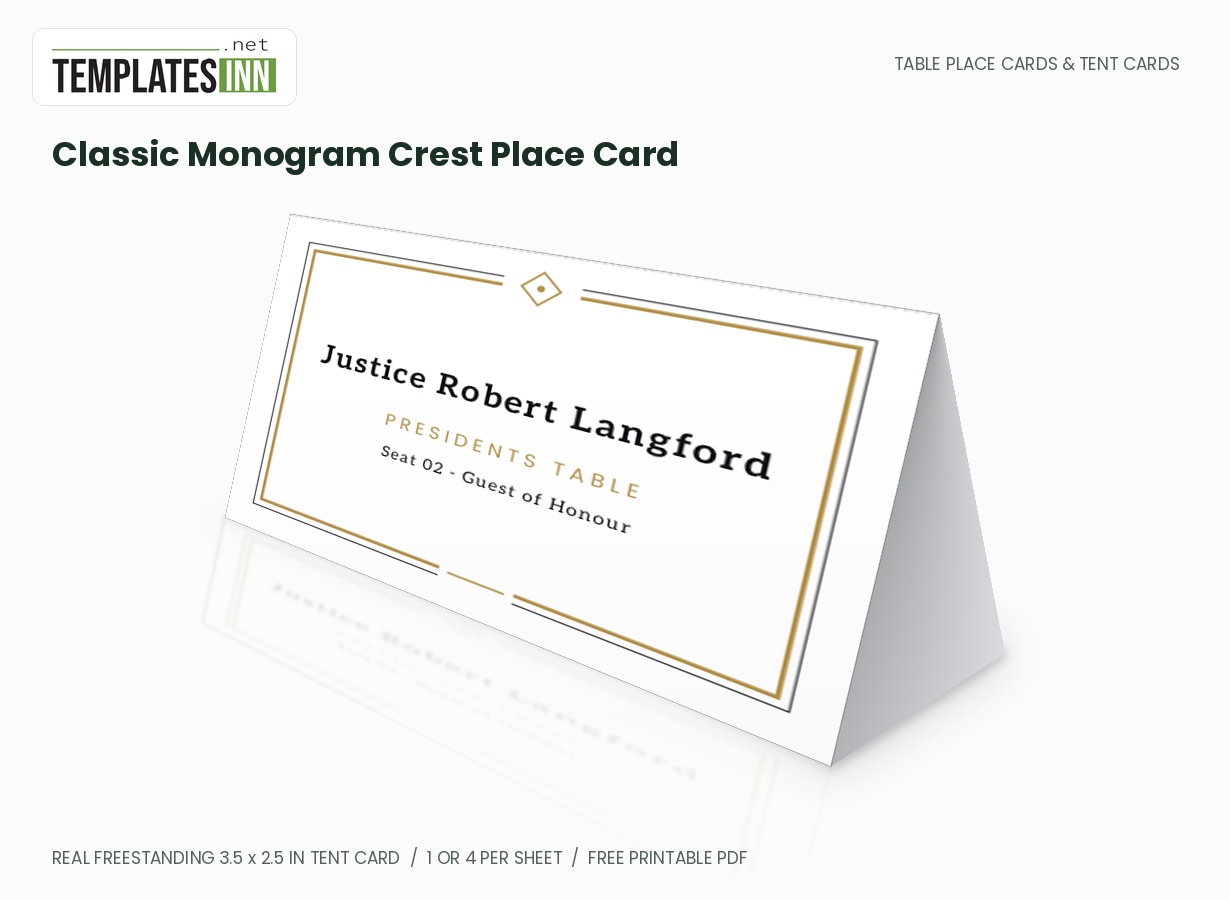
Project stately dignity with this formal monogram crest place card. A refined diamond heraldic medallion crowns the apex, supported by razor-sharp concentric double borders and crisp serif letterforms.
Created for high-table university banquets, diplomatic receptions, judicial dinners, state balls, and traditional cathedral weddings. Free to format and download as an unwatermarked, publication-quality PDF.
Each card measures 3.5 × 5 inches unfolded, bending smoothly into a sturdy 3.5 × 2.5 inch tent card that stands upright with aristocratic poise.
Fill in the information below
New here? Use the button above to fill in an example, then change it to your own details.
Rate this template
Used it? Tap a star. Honest ratings help others choose.
You May Also Like
Templates from other categories that people often use together with this one.
Other Similar Templates
More designs from the same collection, Create Table Place Card Online. If this one is not quite what you need, one of these may be.
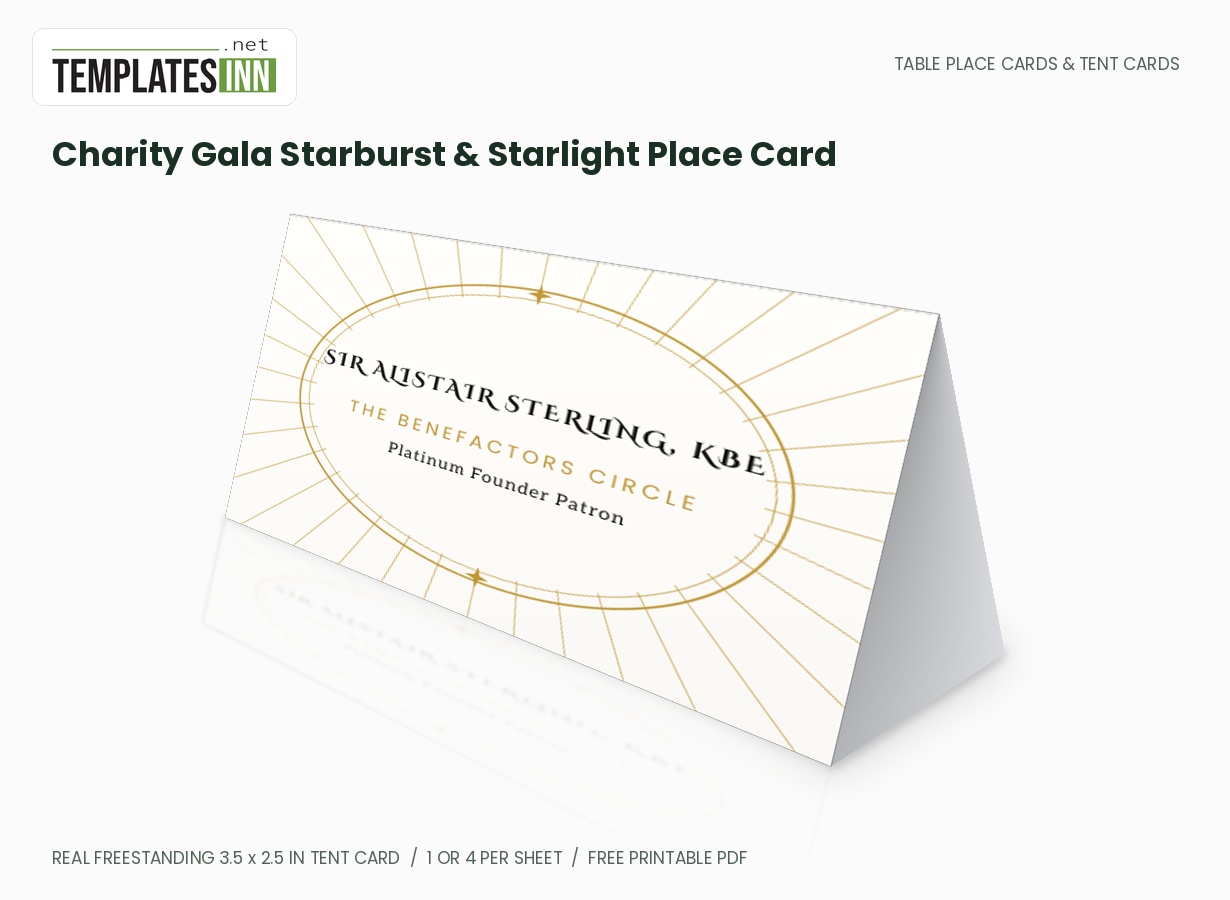
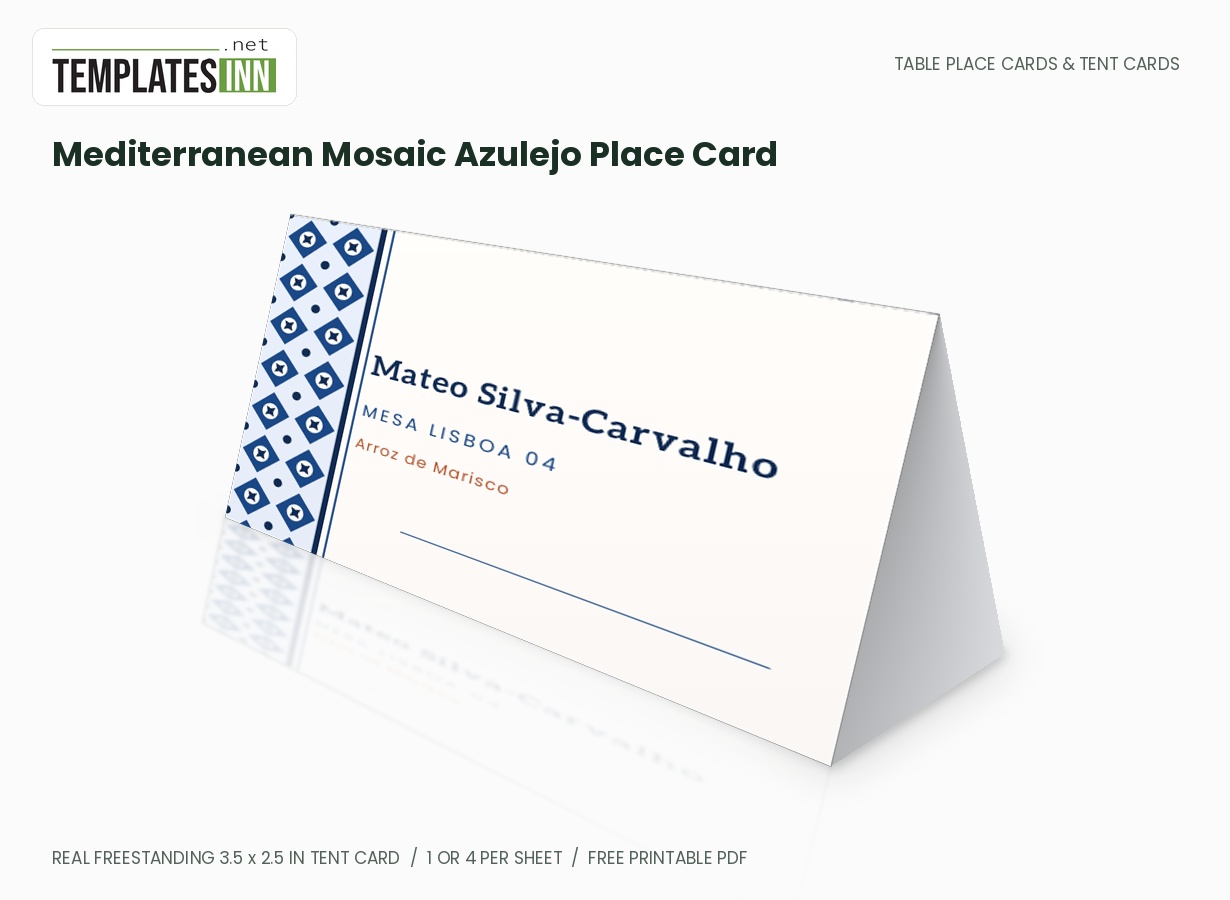
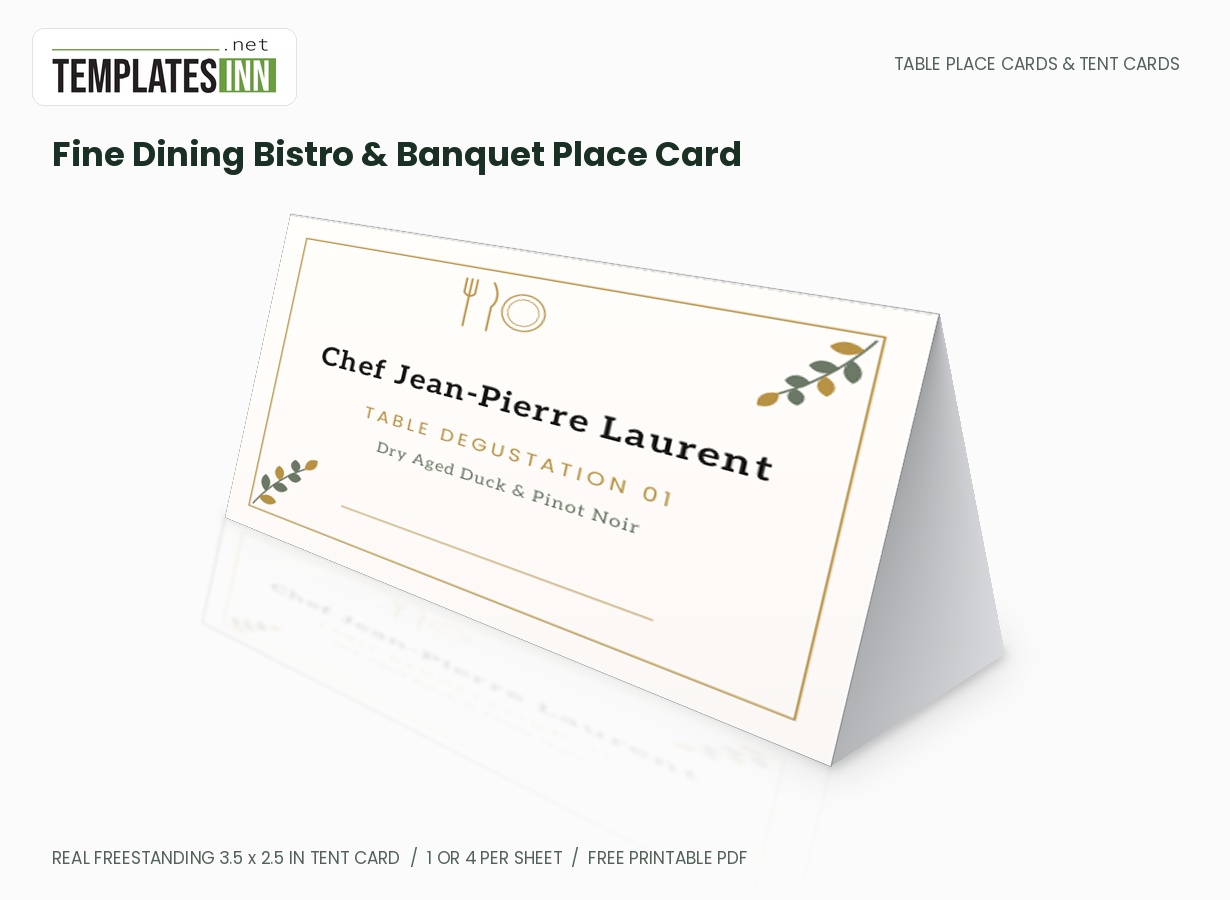
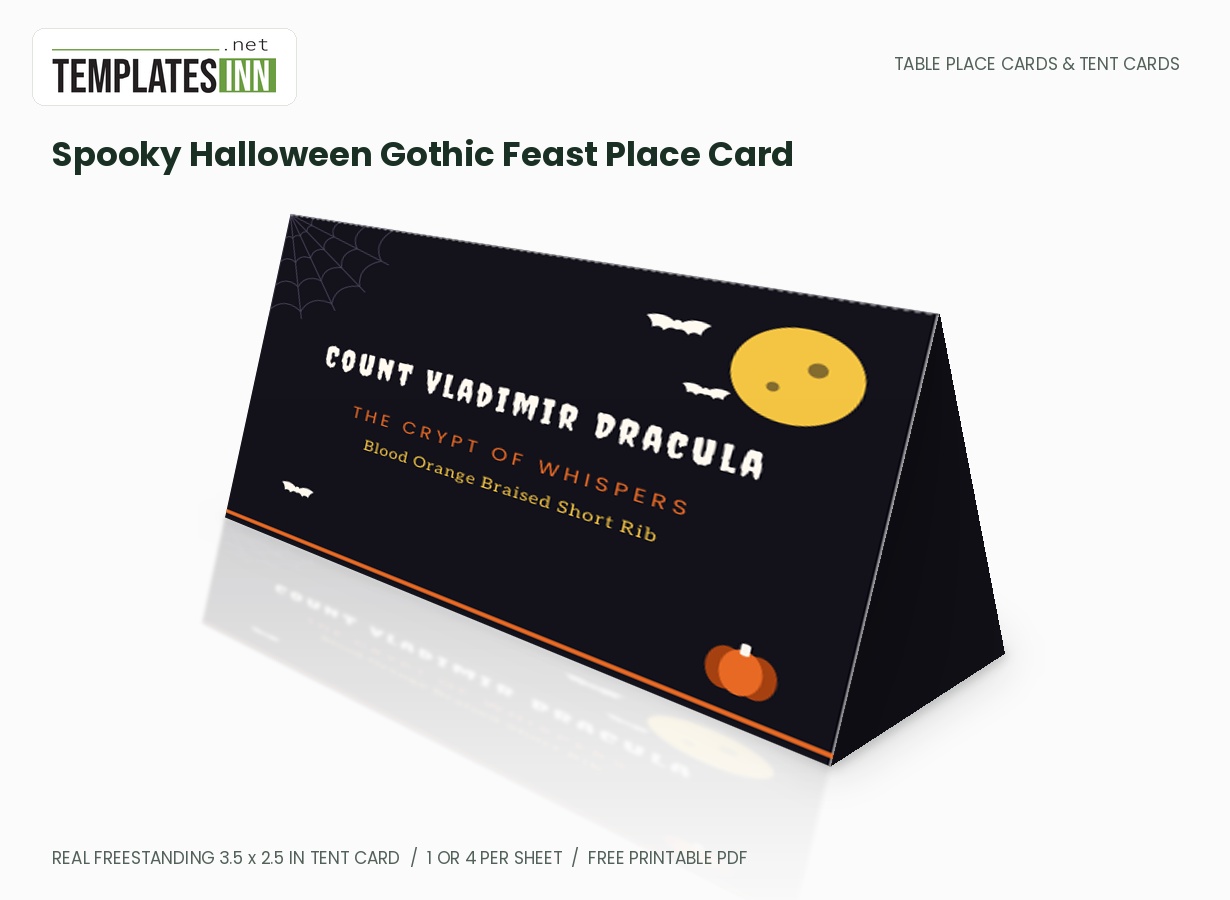
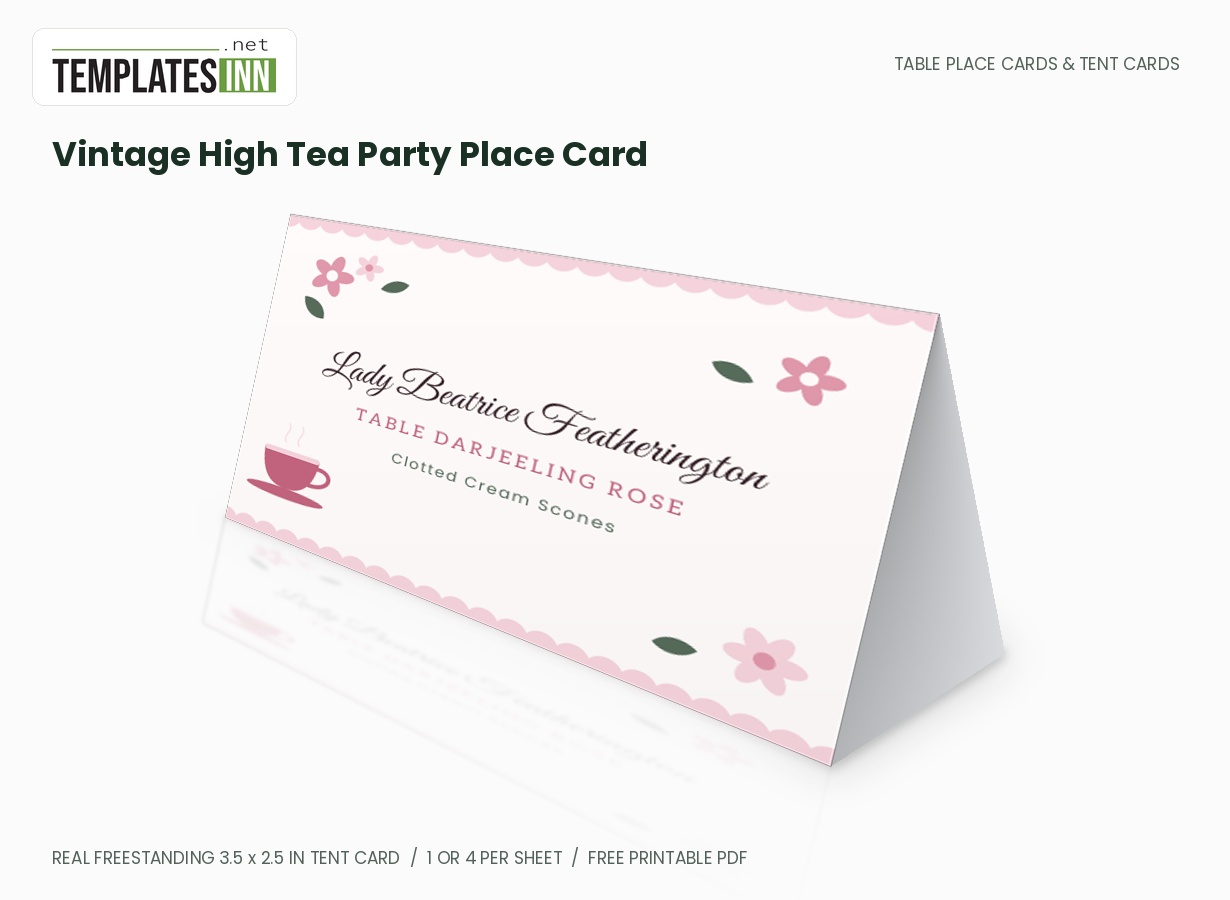
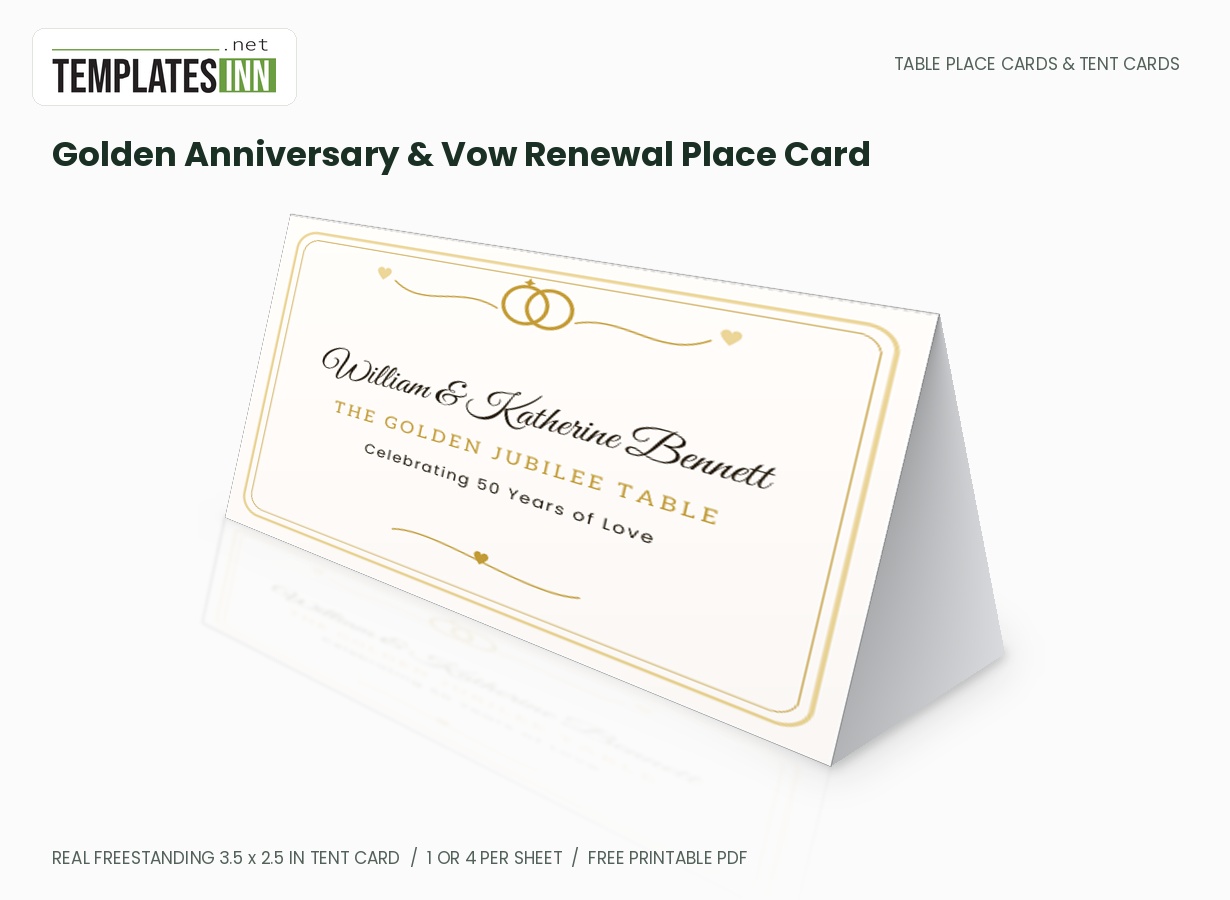
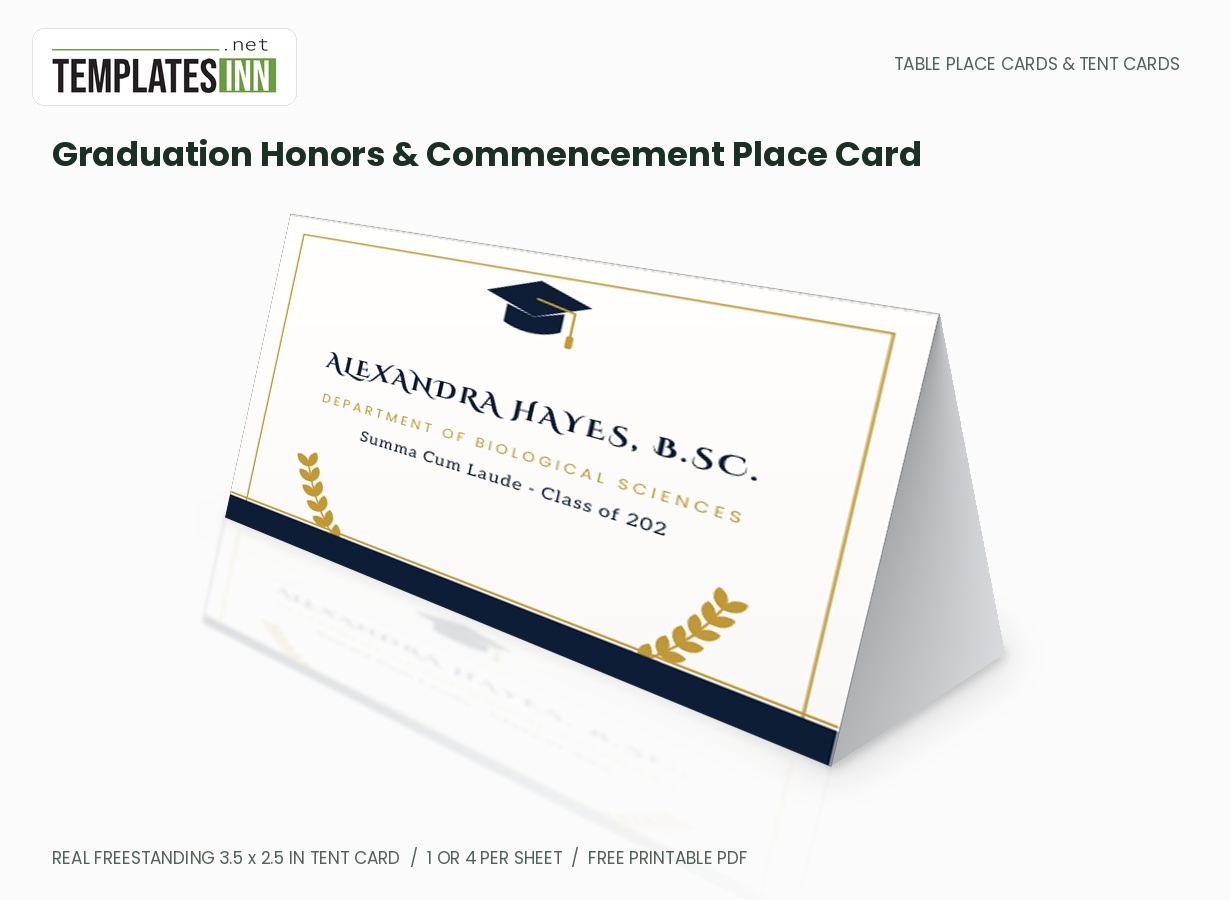
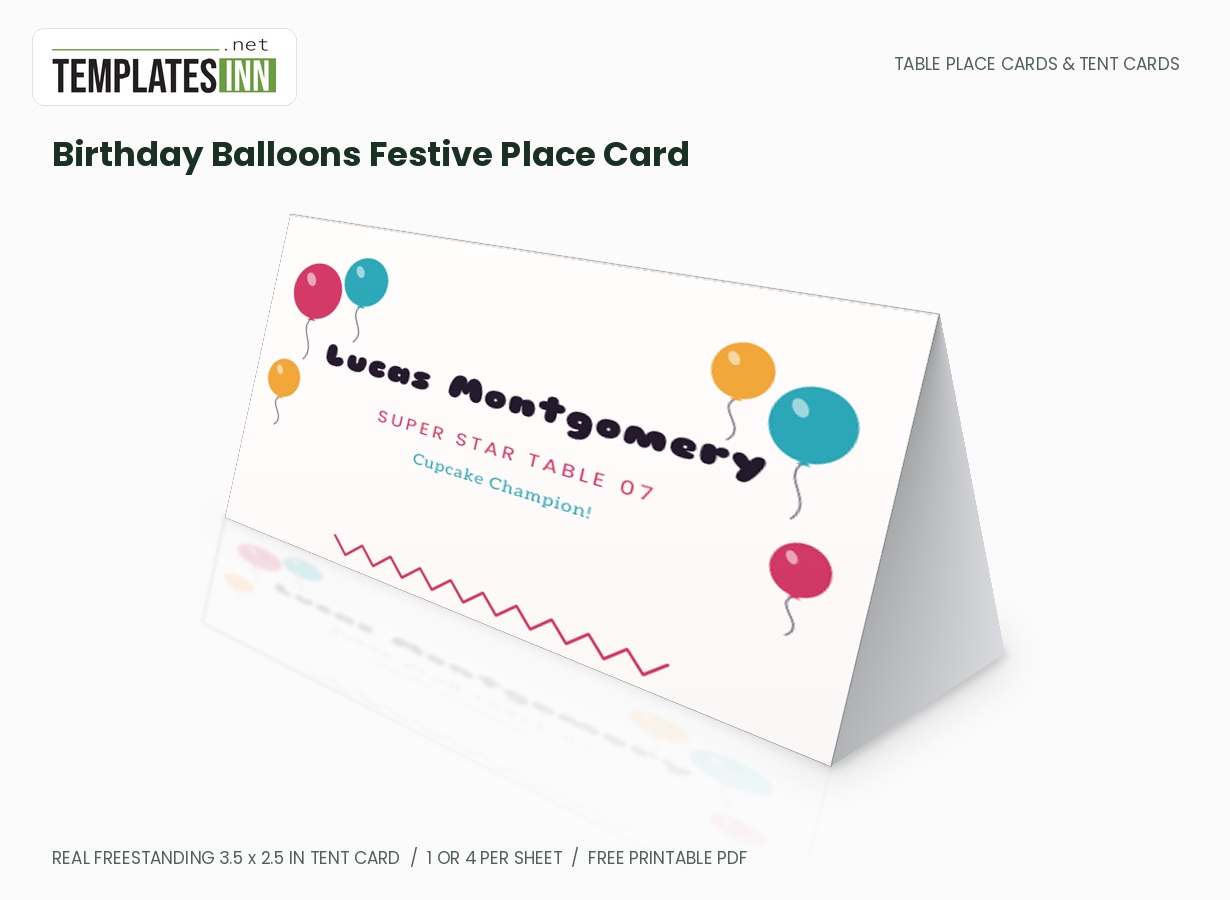

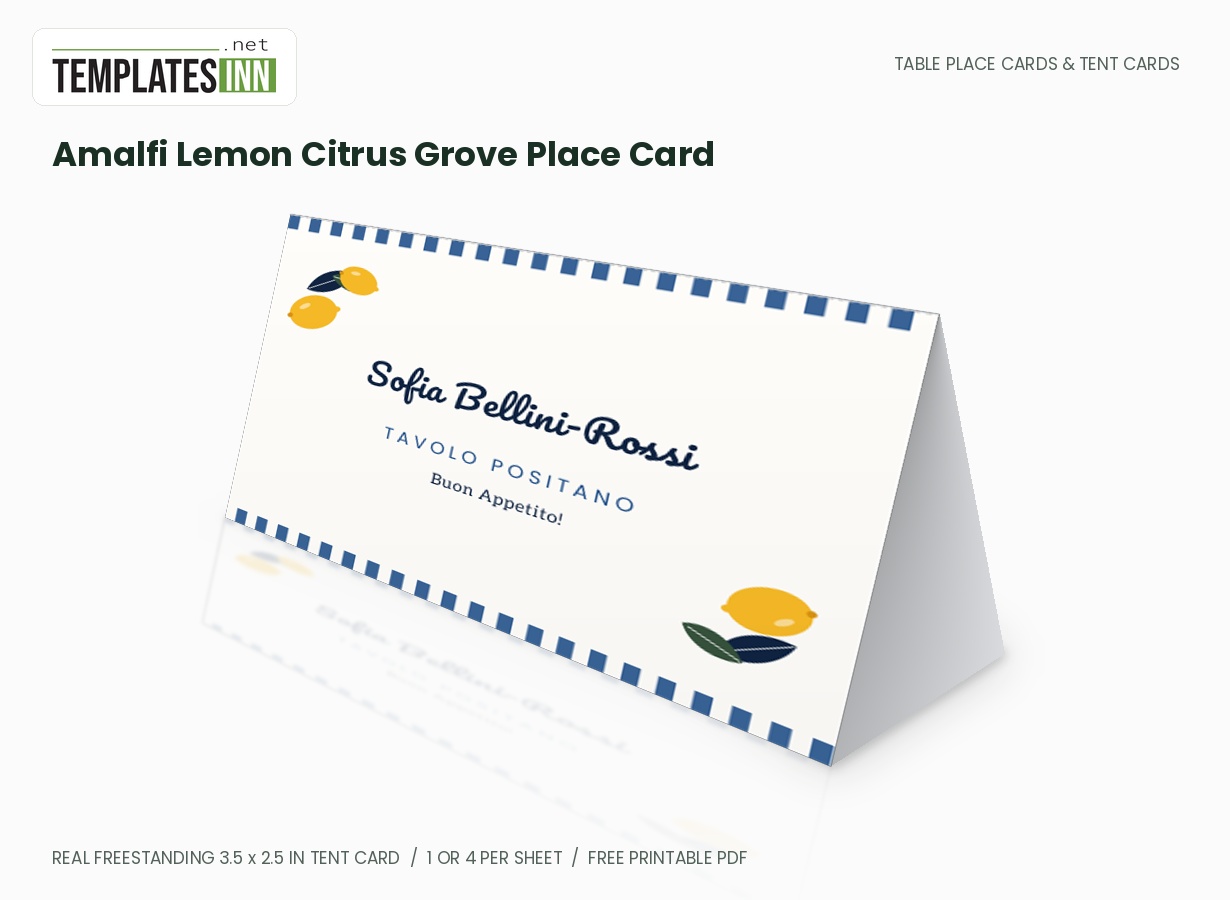
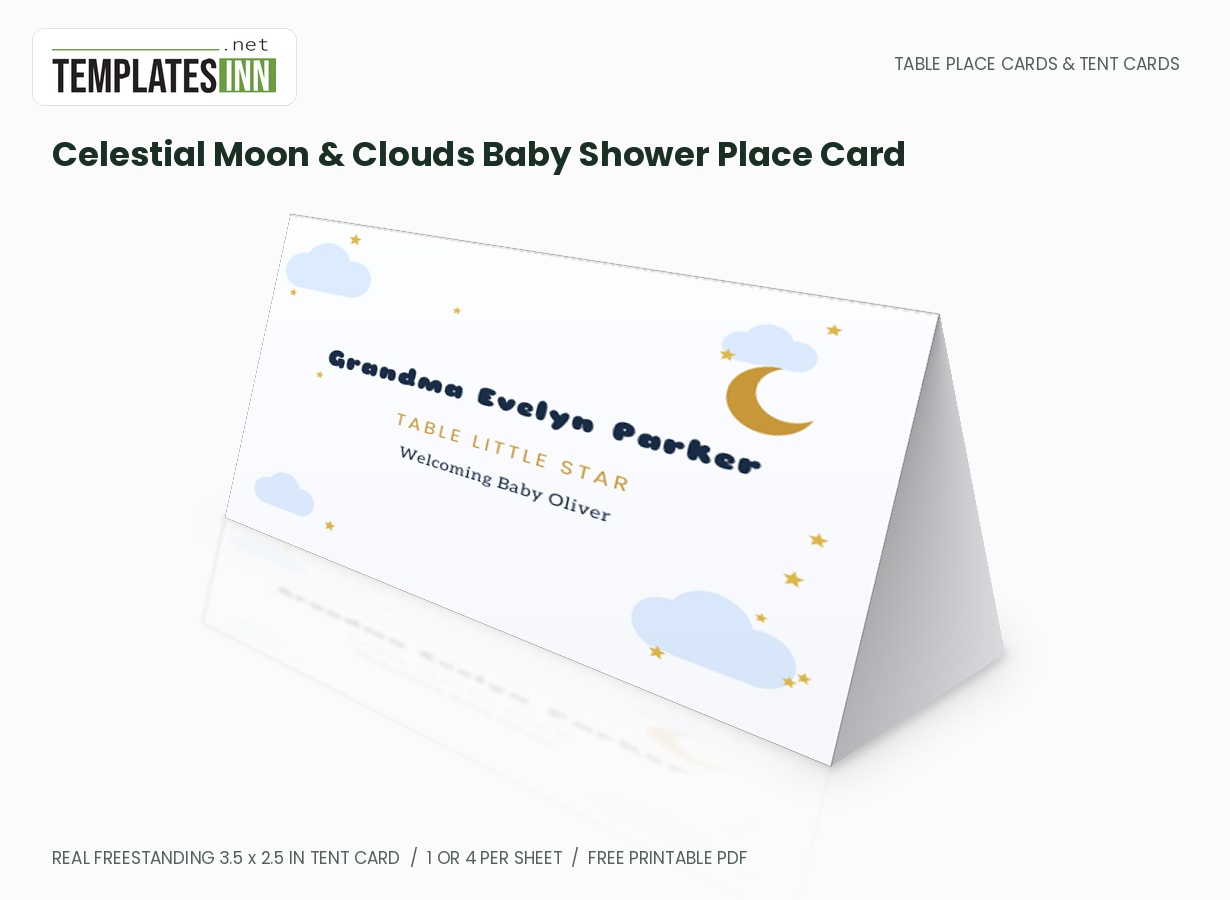
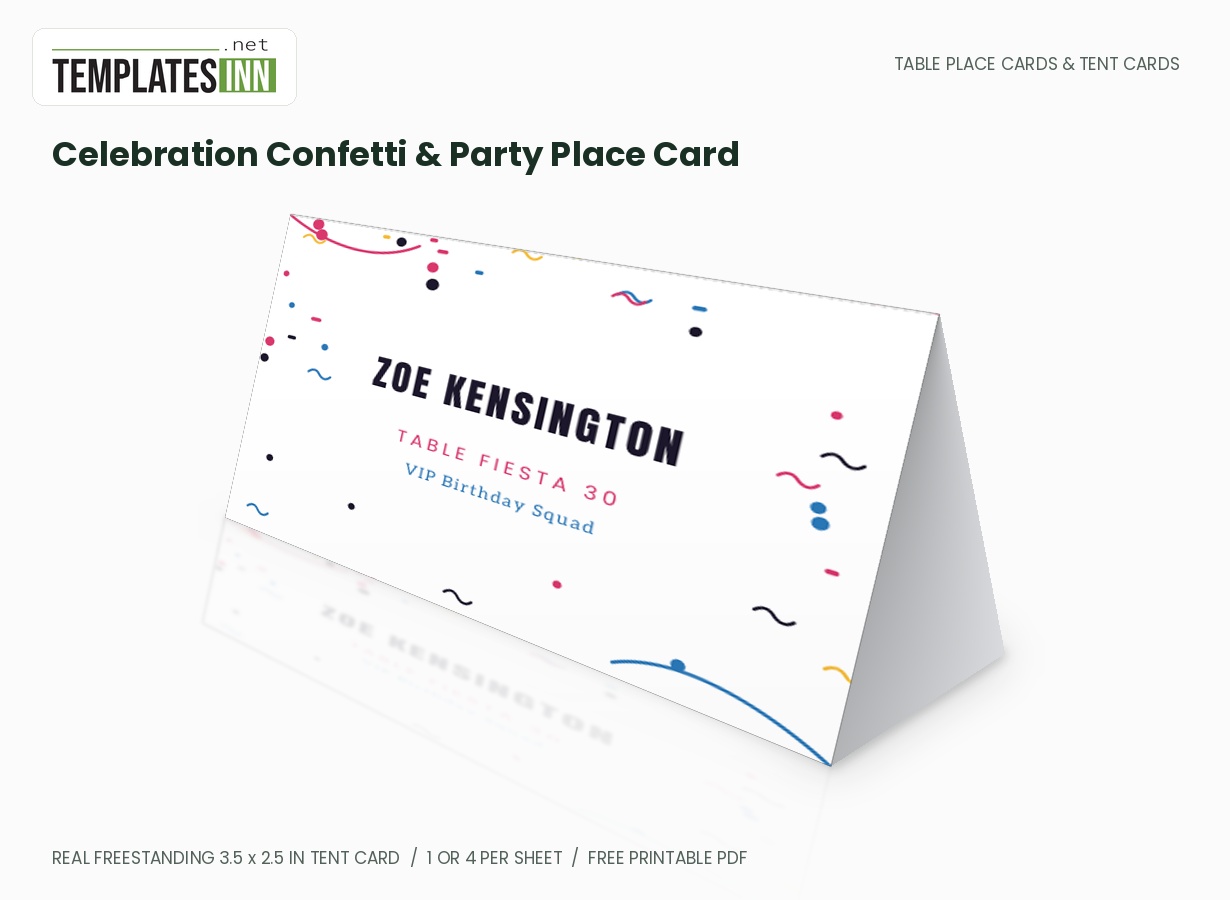
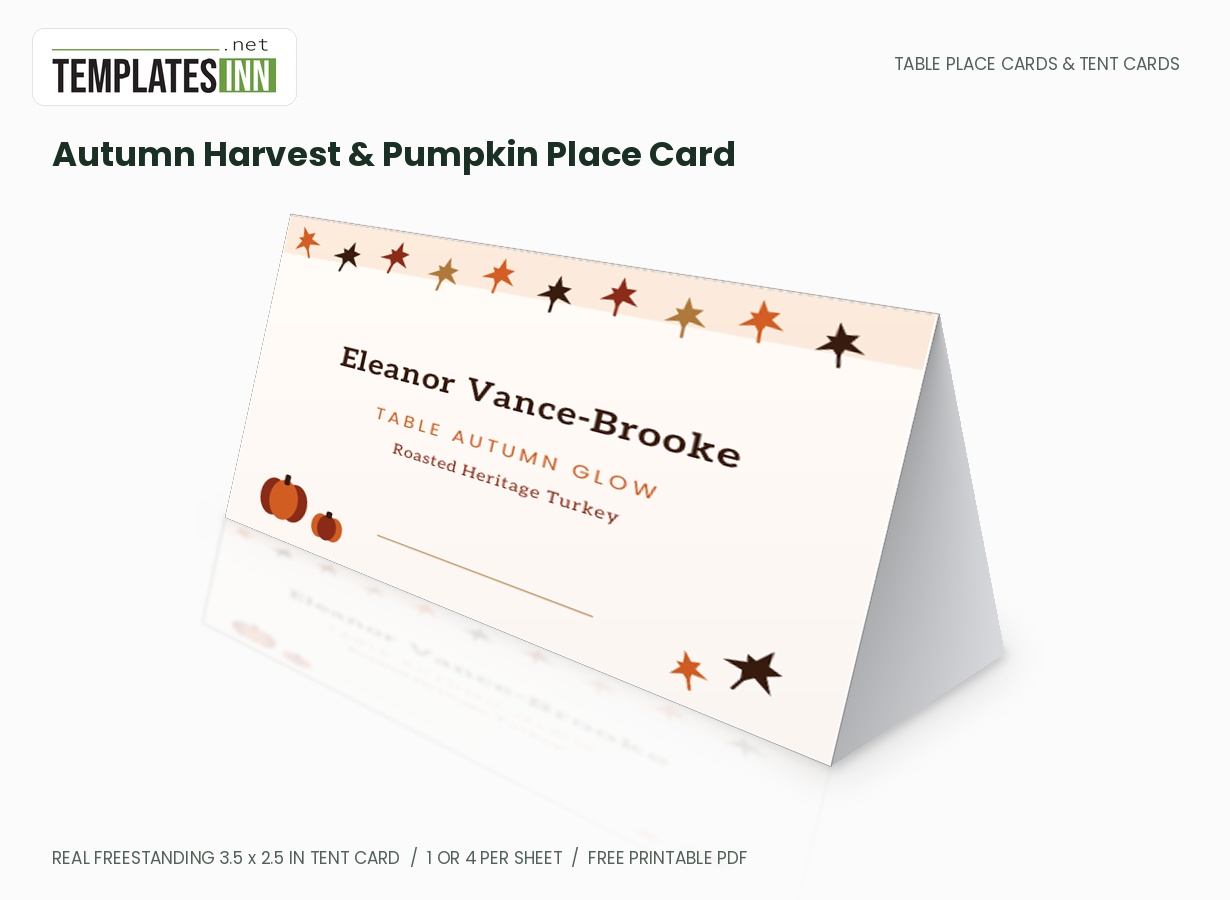
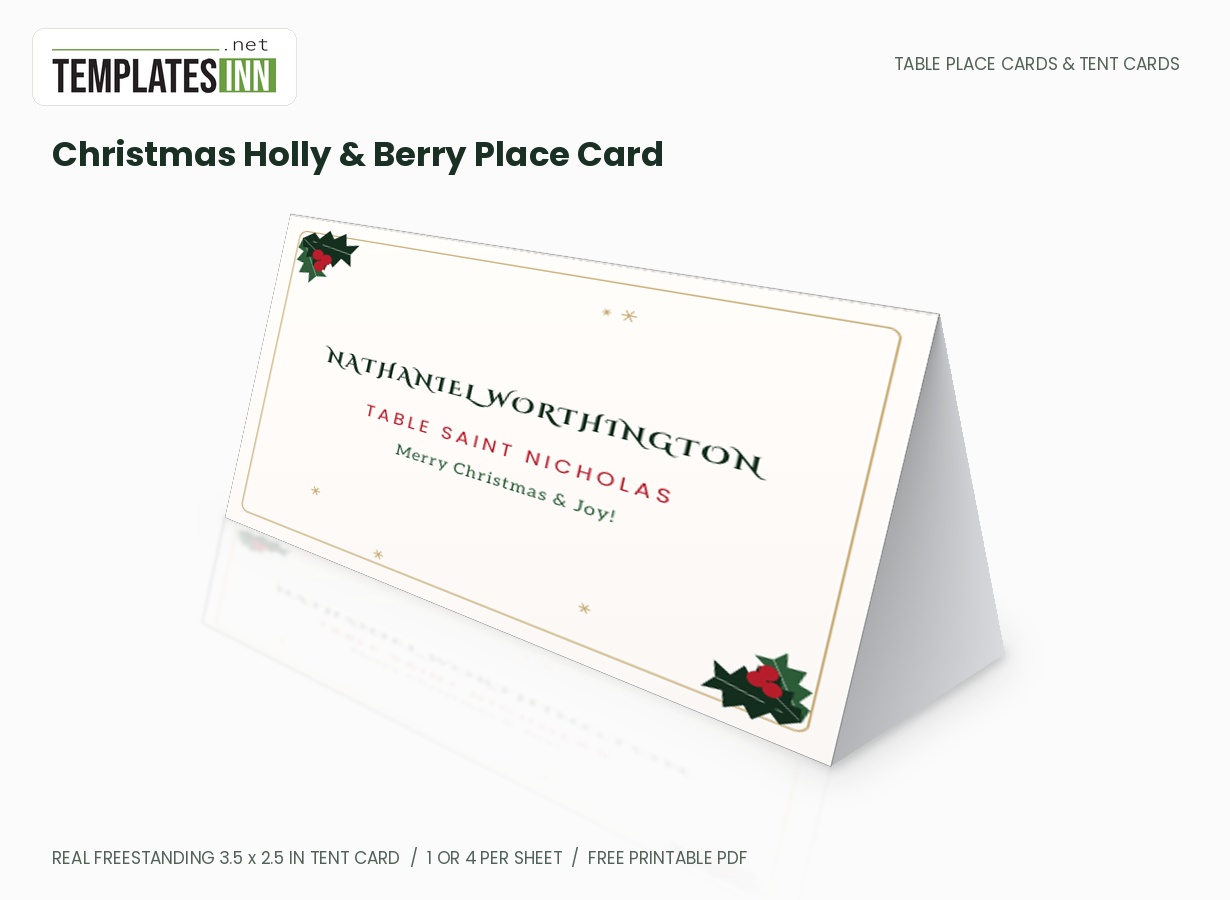
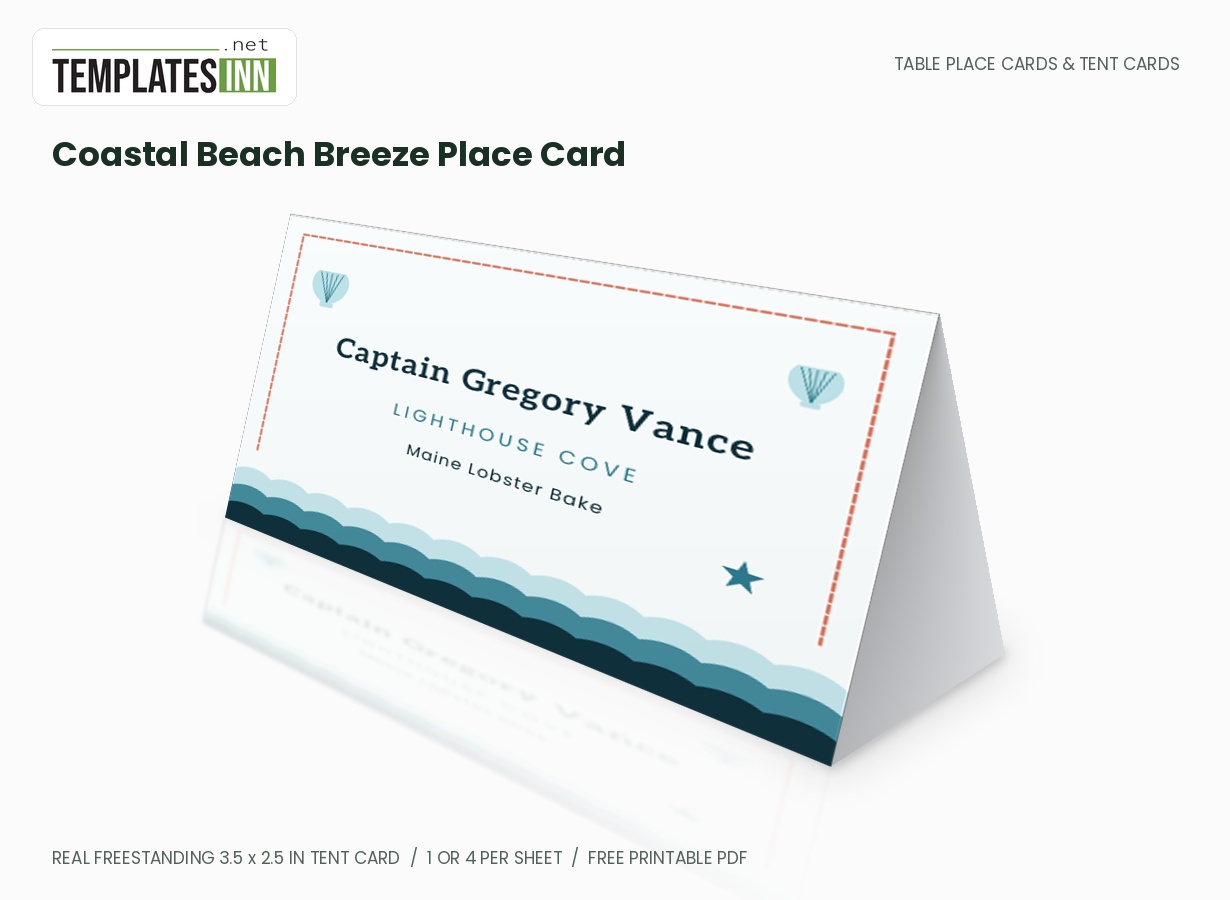
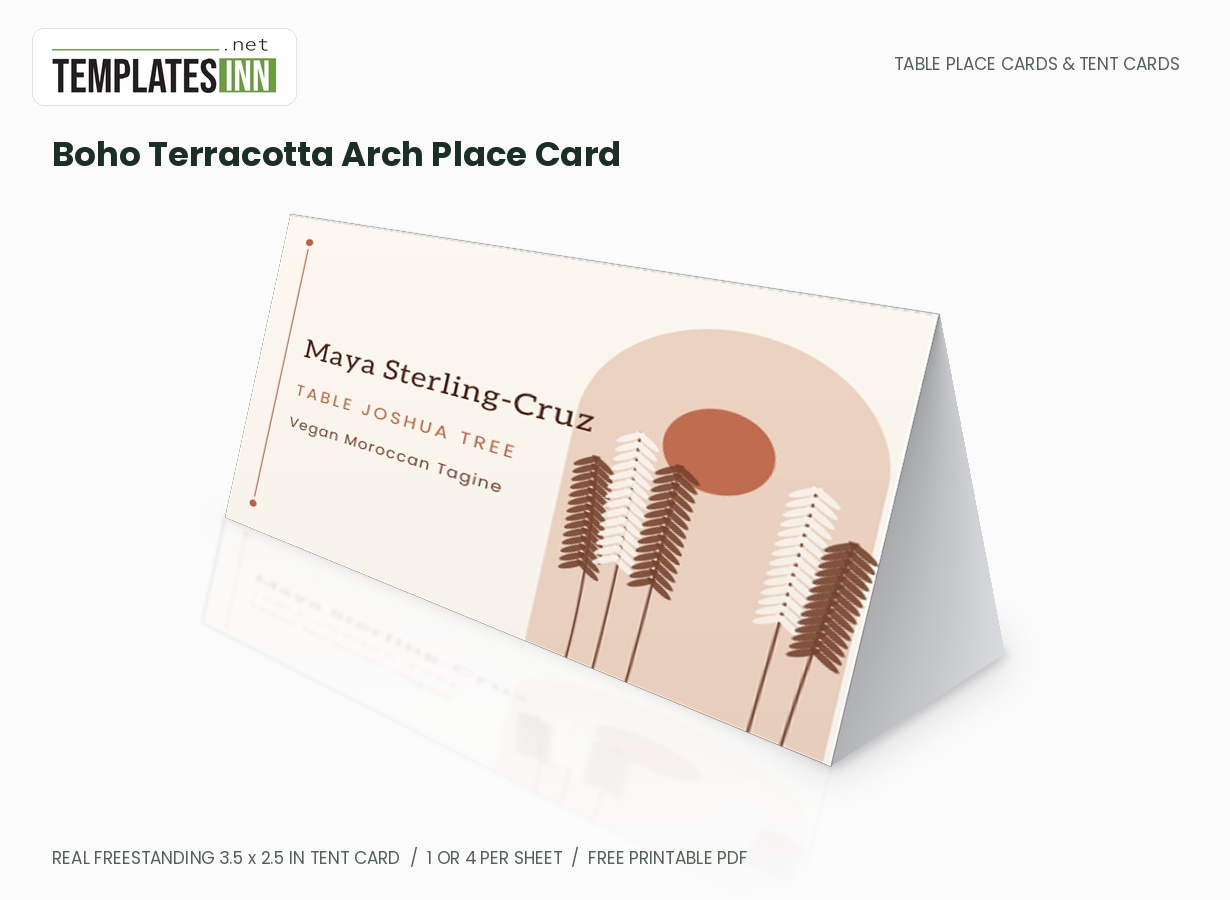
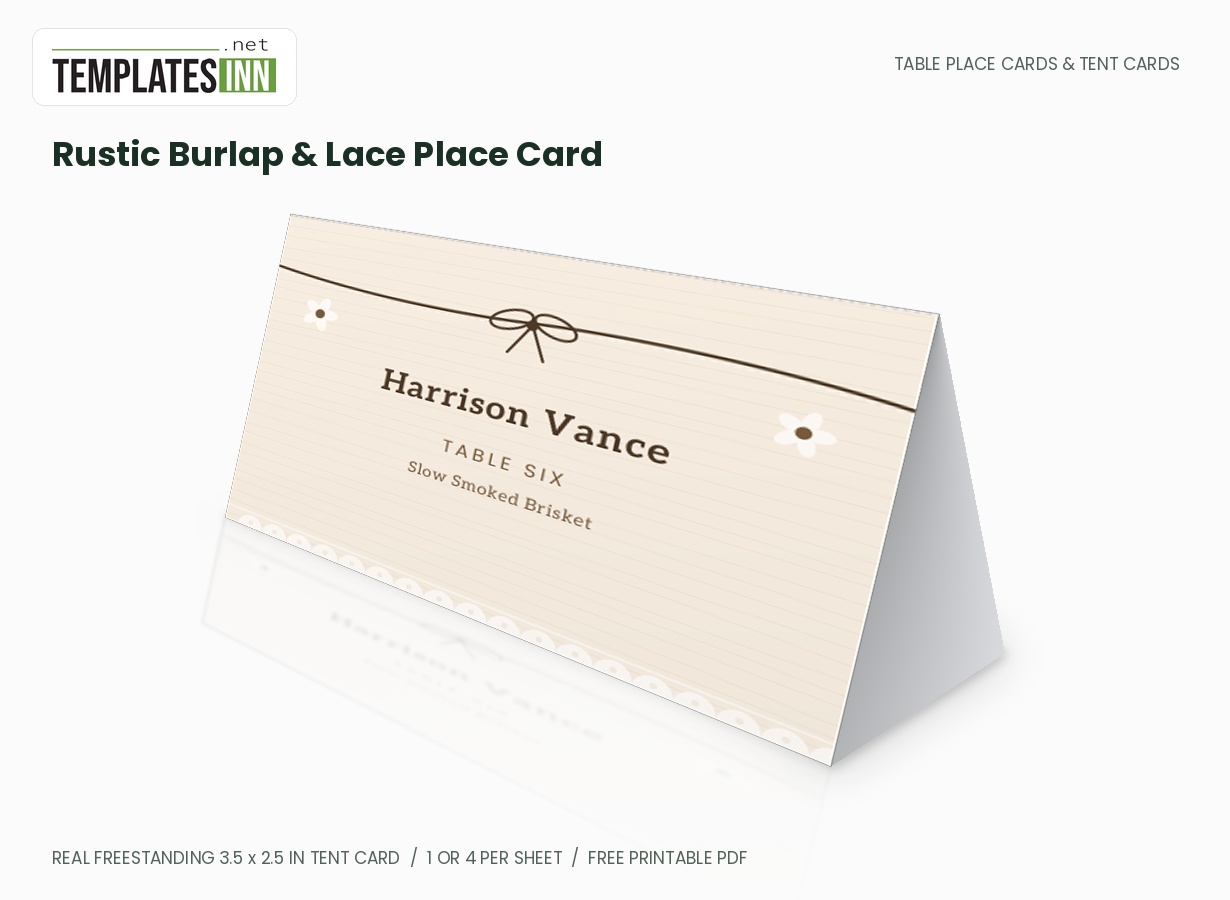
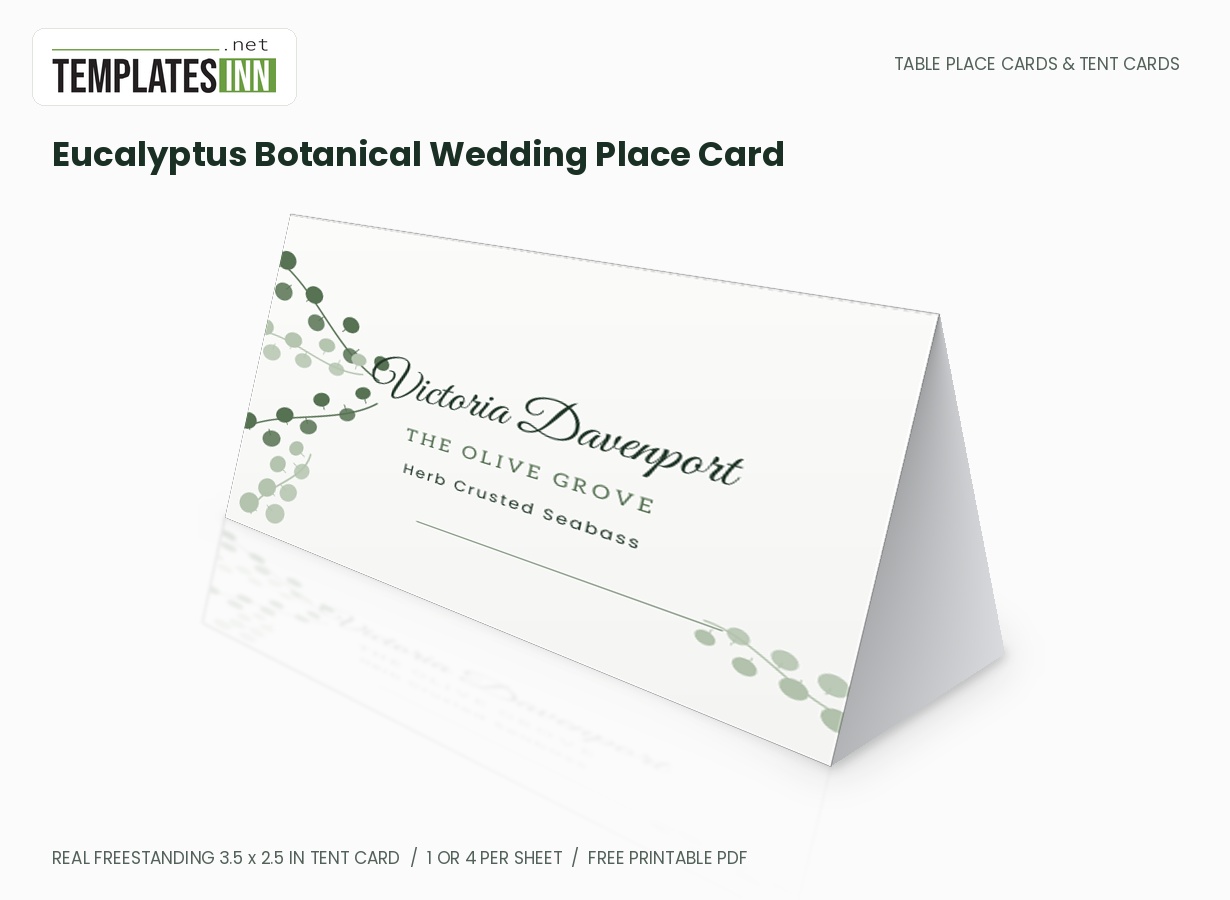
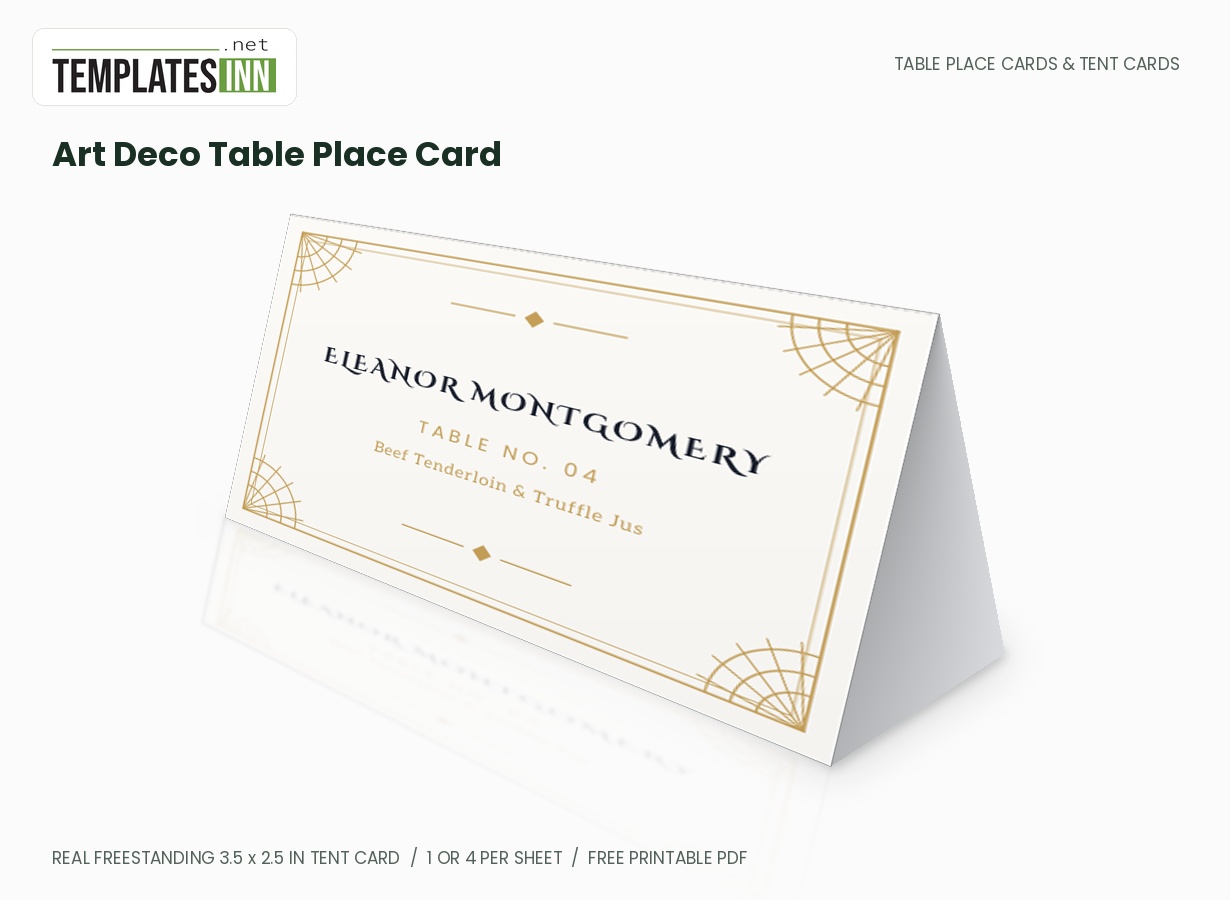
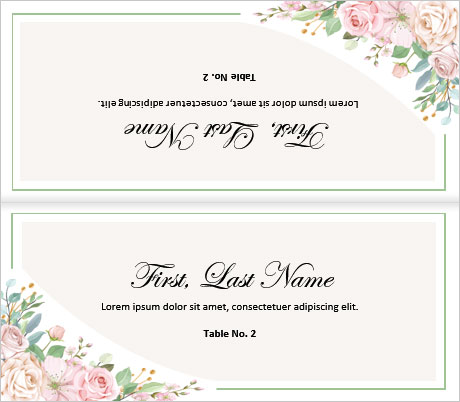


Traditional prestige for high-table banquets
Formal protocol demands restraint, impeccable proportion, and absolute typographic clarity. This design draws inspiration from centuries-old collegiate dining halls and state dinners. The central diamond cartouche provides a distinguished anchor, flanked by slender hairline rules that keep the eye focused on the attendee’s name.
Set these cards against pristine white or ivory damask tablecloths, polished sterling silver cutlery, and crystal wine goblets. Keep floral centerpieces low and symmetrical—such as white hydrangeas and dark green ivy—so sightlines across the high table remain unobstructed during protocol addresses and official toasts.
Addressing dignitaries and protocol seating
Academic, military, and diplomatic events follow strict honorific precedence. Type complete formal styles including post-nominal initials such as “Sir Anthony Hopkins, OM”, “Professor Marcus Vance, PhD”, or “General Eleanor Sterling, KCB”.
The second row accommodates institutional affiliations like “Fellow of Balliol College” or official table numbers like “Presidents Table”. The third row can indicate protocol roles such as “Guest of Honour”, “Keynote Speaker”, or seat numbers like “Seat 02” to streamline diplomatic seating marshaling.
Heavyweight paper choice and flawless folding
Select ultra-smooth heavy bright white Bristol board or 300 gsm vellum stock. Crisp, heavy card gives the double rules crisp definition and ensures the tent card maintains a perfectly vertical posture on formal tablecloths without bowing under ballroom air circulation.
Score the central dashed fold line lightly with a bone folder along a steel ruler before folding. This fractures the dense paper fibers cleanly, creating a clean ridge that stands firmly between the bread plate and water goblet.
Formal table placement rules
According to traditional dinner etiquette, place cards sit centered approximately one inch above the dessert spoon and fork, facing the seated guest directly. For banquets with charger plates, the card may also sit centered upon the formal linen napkin fold.
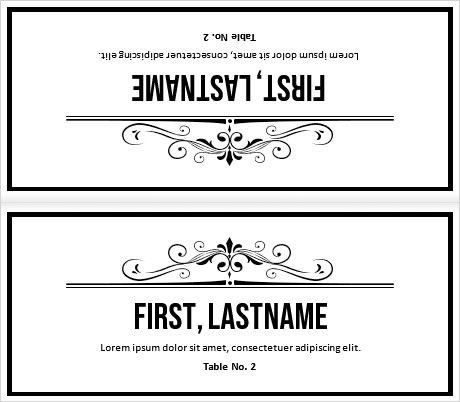
Ensure that the name is upright to the attendee, while the optional reverse panel faces outward so banquet servers and high-table speakers can identify guests at a glance.
High table seating precedence: right of host and ranking guests
Diplomatic banquets, collegiate high tables, and formal cathedral wedding breakfasts observe strict protocol hierarchy. The guest of honor is traditionally seated immediately to the right of the host, with the second most distinguished attendee seated to the host’s left. Ensure place cards are set with mathematical precision exactly 1.5 inches from the top rim of the porcelain dinner plate, perfectly aligned with the vertical axis of the chair.
When protocol dictates formal place cards on high-table dais platforms, choose the ‘Both sides of the tent’ option so master of ceremonies, marshals, and speakers can identify distinguished dignitaries from behind the table without leaning forward.
Precision guillotine trimming for crisp institutional borders
Because this formal design features hairline concentric rules and aristocratic crest cartouches, straight trimming is essential for visual harmony. Use a professional heavy-duty guillotine trimmer or craft scalpel with a steel straightedge, aligning precisely with the corner crop ticks.
Trim the outer white margins before cutting between cards. When working with 300 gsm bright white vellum or heavy Bristol board, scoring the fold with a teflon bone folder prevents unsightly surface glossing, preserving the card’s pristine matte elegance.
Questions regarding formal banquet place cards
Can we remove the third line if we do not need seat numbers?
Yes. All secondary lines are entirely optional. Leaving the extra fields blank causes the guest name and table number to center themselves vertically within the borders.
Is this template suitable for double-sided printing?
Yes. The engine automatically rotates the reverse face 180 degrees so that speakers and high-table guests can read place names clearly from across the podium.
Does the font auto-scale for long titles with multiple post-nominals?
Yes. Our layout engine calculates letter widths and smoothly steps font sizes down so long titles like “The Right Honourable Sir Marcus Sterling, GCMG” fit without clipping.
Can we use table names instead of table numbers?
Absolutely. Enter salon designations like “The Regent Salon” or “Fellows Hall” in the table field.